
Redgrass
Bothriochloa ambigua
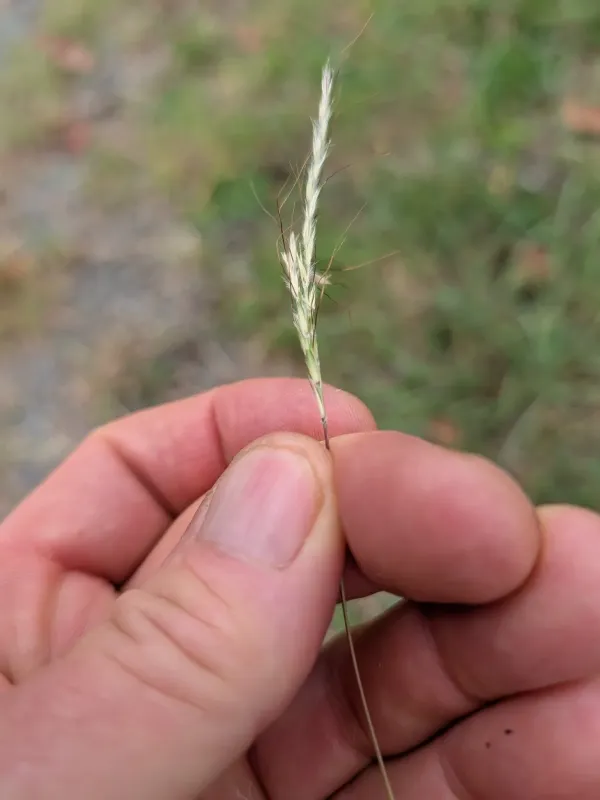
Description
Growing requirements
Redgrass (Bothriochloa ambigua) is a perennial grass species within the Poaceae family, widely recognized for its resilience and utility in agricultural pastoral systems. It serves as an essential source of forage in areas characterized by variable moisture availability and climatic stress.
Originating from the Australian landscape, this species has developed strong adaptive mechanisms to thrive on varied soil types, ranging from sandy loams to rocky substrates. Its ability to maintain vegetative cover makes it an excellent choice for soil erosion control and land rehabilitation projects.
The botanical structure of Redgrass includes a vigorous root system and a dense bunching habit, which allows it to withstand heavy grazing pressure. The leaves are nutritious during the active growth phase, providing a balanced diet for livestock such as cattle and sheep.
The crop thrives in sunny, open environments and exhibits significant drought tolerance. It enters a state of dormancy during extreme dry spells and regrows rapidly once favorable moisture levels return, ensuring consistent biomass production over the grazing season.
In farming practices, Redgrass is primarily utilized for grazing pastures. It is highly valued for its ability to persist under sustained grazing, making it a reliable component of permanent grassland management strategies in suitable climatic regions.
Main diseases and pests
Redgrass can be susceptible to common fungal pathogens including leaf rust and various smuts, particularly during periods of prolonged high humidity. Proper management, such as maintaining appropriate grazing intensity, is crucial to prevent the dense canopy from creating a microclimate that favors infection.
Insect pests can pose a threat to seed production and general stand vigor. Management strategies often involve monitoring population density during the peak vegetative stage to determine if interventions are necessary to preserve the forage quality.
The primary prevention strategy for diseases in Redgrass involves rotation and the avoidance of overgrazing. By ensuring that the plants are not constantly stressed, farmers can maintain the inherent natural resistance of the grass to biotic pressures.
Integrated Pest Management (IPM) is recommended to control threats without relying solely on chemical inputs, which helps maintain the ecological balance of the pasture. This approach is particularly effective for large-scale forage production systems.
While Redgrass is generally hardy, poor soil nutrient management can weaken the plants and make them more susceptible to infestations. Maintaining soil fertility through balanced fertilization practices helps the grass maintain its natural defense systems.