
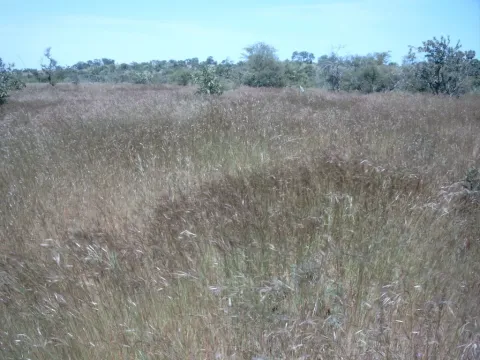
Andropogon pseudapricus
Andropogon pseudapricus
Andropogon pseudapricus is a prominent member of the Poaceae family, known for its adaptability to diverse environmental conditions within its native range.
What the section contains
Andropogon pseudapricus
The sowing process typically commences during the onset of the growing season, ensuring that the soil temperature is sufficiently warm to trigger germination.
Proper field preparation is essential, requiring a fine, weed-free seedbed to allow the small seeds to establish root systems effectively without initial competition.
Seeding rates should be calibrated based on local soil fertility and the intended final density of the grass stand, aiming for uniform emergence across the plot.
Post-emergence management focuses on maintaining soil moisture levels during the critical stages of early development to prevent seedling mortality.
This grass species requires significant exposure to direct sunlight and thrives in open environments, making it highly dependent on high light intensity for optimal growth.
It prefers well-drained, sandy, or loamy soil textures that do not retain excess water, as the roots are susceptible to decay under prolonged waterlogging.
The plant is highly drought-tolerant, exhibiting physiological traits that allow it to conserve water during periods of scarce precipitation in its native habitats.
Temperature range requirements are broad, yet the species shows optimal vegetative production in tropical and subtropical climates with a marked dry season.
It performs well in nutrient-poor soils where other crops might fail, demonstrating efficient nutrient uptake and minimal dependence on intensive chemical fertilization.
Fungal infections, particularly rust and leaf spots, represent a major threat to the health and biomass yield of Andropogon pseudapricus in humid conditions.
Pest pressures include various hemipteran insects that feed on the sap of growing shoots, potentially leading to weakened plant vigor and secondary infections.
Effective management requires a combination of crop rotation strategies and the timely application of fungicides only when the disease threshold is exceeded.
Soil-borne pathogens may impact root health, often as a consequence of poor drainage or incorrect irrigation management during the establishment phase.
- Implementing integrated pest management (IPM) protocols.
- Maintaining adequate airflow through the canopy to reduce fungal risk.
- Monitoring for early signs of leaf discoloration and insect infestation.