
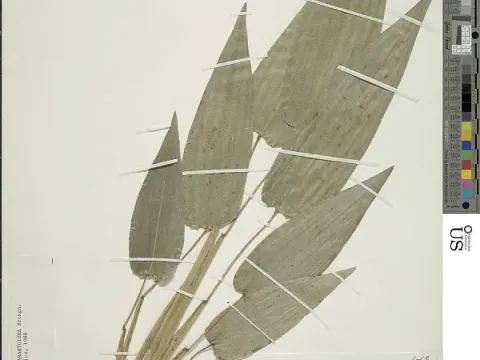
Anomochloa
Anomochloa
Anomochloa is a unique genus within the grass family (Poaceae), notable for its evolutionary significance and distinct morphological features that differ from the typical structure of common agricultural grasses. It is a shade-tolerant plant that has maintained primitive traits throughout its development.
What the section contains

Anomochloa
The native range of this plant is restricted to the tropical forests of Bahia, Brazil. It thrives in the understory of dense forests, where it is adapted to low-light conditions and high atmospheric humidity, making it highly dependent on the microclimate of its natural habitat for survival.
Optimal cultivation requires a stable, warm environment, typically between 22°C and 28°C. Being a tropical specialist, Anomochloa cannot tolerate cold spells or frost, which necessitates the use of controlled environments like greenhouses or specialized climate chambers for any research or conservation attempts.
Soil requirements focus on organic richness, moisture retention, and excellent drainage. A substrate consisting of peat, decomposed leaves, and bark mimics the forest floor where these plants naturally grow. Proper irrigation management is essential to keep the roots moist without creating waterlogged conditions that lead to root rot.
While Anomochloa holds no direct value in commercial agriculture or food production, it is highly regarded in academic circles. It serves as a living model for understanding the evolutionary history of grasses, providing critical insights into how the Poaceae family diverged and adapted to various ecological niches on Earth.