
Andropogon gyrans
Andropogon gyrans
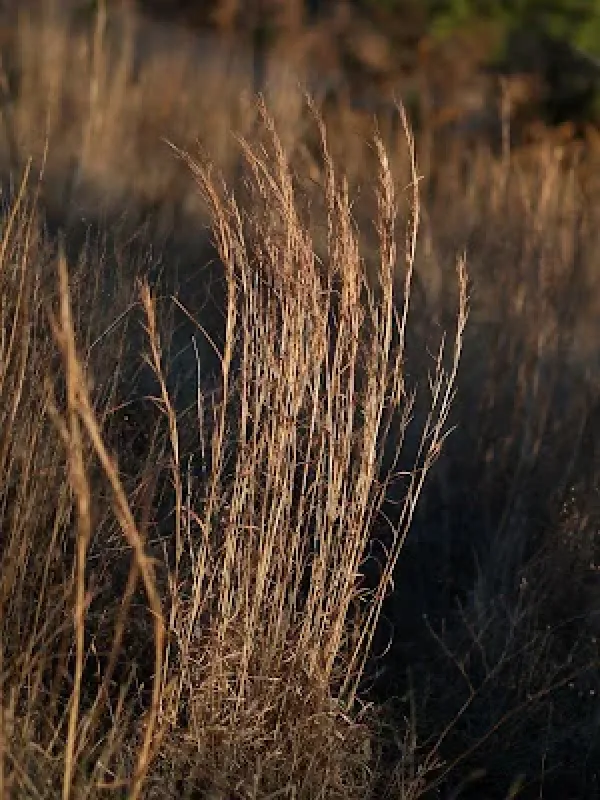
Description
Sowing dates
Andropogon gyrans, commonly known as Elliott's beardgrass, is a warm-season perennial grass that thrives when established during periods of consistent soil warming. The optimal sowing time is late spring, once soil temperatures have reliably reached 18 degrees Celsius.
Seedbed preparation is critical because the seeds are small and require close contact with the soil for successful germination. Sowing depth should be shallow, generally between 1 and 2 centimeters, to ensure the emerging shoots can penetrate the soil surface efficiently.
Adequate moisture is essential during the establishment phase, as the seedlings are delicate and prone to drying out. In arid environments, irrigation or timing the sowing with predictable rainfall patterns is highly recommended.
Proper plant density should be maintained to ensure uniform coverage and reduce the risk of weed infestation during the first season. Using high-quality, cleaned seed will significantly improve the chances of successful field establishment.
Early planting allows the grass to develop a robust root system before the onset of summer heat, which is vital for long-term survival. Avoiding late-season sowing is important as it often leads to poor winter survival rates for young plants.
Growing requirements
As a member of the Poaceae family, Andropogon gyrans is well-adapted to open prairie-like ecosystems. It is known for its remarkable ability to grow in poor, infertile, and acidic soils where many other grass species struggle to survive.
The species requires full sun exposure for optimal growth and development. Shaded environments inhibit photosynthesis, leading to reduced vigor and an increased likelihood of lodging, which is detrimental to overall biomass production.
While the grass possesses moderate drought tolerance due to its deep and fibrous root system, it responds well to seasonal moisture. It does not tolerate waterlogged or poorly drained soils, as these conditions increase the risk of root rot.
Soil pH preference typically ranges from moderately acidic to neutral. The plant's ecological flexibility allows it to thrive in diverse geographical settings, provided it has enough space and sunlight to expand its root network.
It exhibits high resilience to temperature fluctuations, making it a reliable species for restoration projects on degraded land. Its ability to tolerate low-nutrient environments makes it a sustainable choice for extensive grassland management.
Yield
The biomass yield of Andropogon gyrans is largely influenced by soil fertility and management intensity. While it may not provide the same volume as intensive forage cultivars, its resilience makes it a valuable component of pasture systems.
Harvesting for hay should be timed carefully to balance quantity and quality. Mowing before the plants reach the mature flowering stage is essential, as the stalks become lignified and significantly less nutritious as the season progresses.
Seed production is an important aspect of the species' utility in ecological restoration. Harvesting should take place when the inflorescences are fully mature but before the seeds disperse naturally in the wind.
Nitrogen applications can boost vegetative growth during the early season, though care must be taken not to over-fertilize, which can lead to excessive growth and winter susceptibility. Managed grazing can also help maintain the vigor of the stand.
Regular monitoring of yield trends helps producers determine when to renovate a pasture. Proper management ensures that the stand remains productive for several years without the need for constant reseeding.
Main diseases and pests
Andropogon gyrans is generally resistant to many common diseases found in cultivated grain crops, which simplifies its management. The most notable threats include rust fungi, which may affect foliage under conditions of high humidity.
While various insect pests exist, this grass is rarely decimated by them, thanks to its tough, fibrous leaf structure that provides a degree of natural protection. Integrated pest management practices are usually sufficient to maintain healthy stands.
Root rot is the primary physiological threat, usually triggered by poor drainage or long-term water stagnation. Ensuring that the site is well-drained is the most effective preventive measure against this problem.
Weed management in the early stages of establishment is critical, as competing plants can quickly overwhelm the slow-growing seedlings. Mechanical weed control or targeted mowing is often preferred over chemical intervention.
Maintaining air circulation throughout the crop canopy is vital for preventing fungal infections. By managing stocking rates or mowing frequencies, producers can ensure the canopy stays open and healthy throughout the growing season.