
Anemanthele lessoniana
Anemanthele lessoniana
Description
Growing requirements
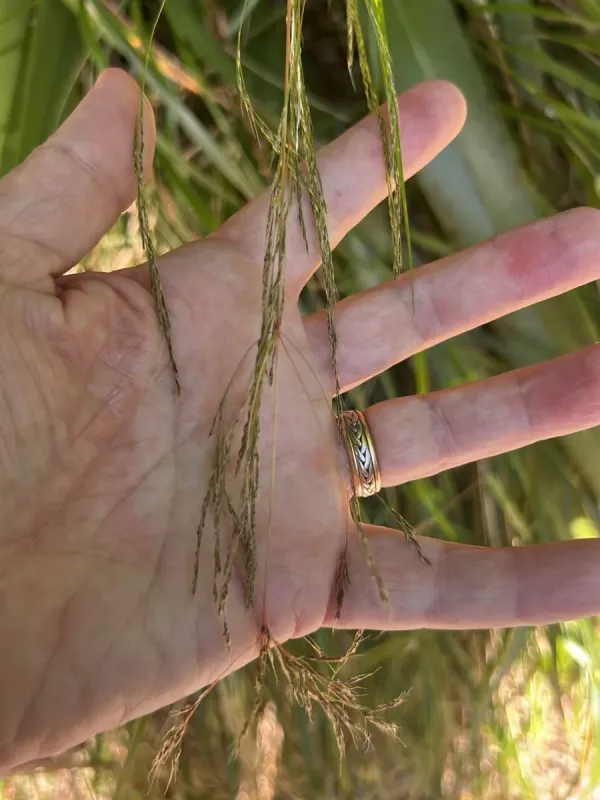
Anemanthele lessoniana, commonly known as New Zealand wind grass, is a perennial grass species belonging to the Poaceae family. It originates from New Zealand and is highly valued for its elegant, arching habit.
The plant is distinguished by its fine, thread-like foliage that transitions through spectacular shades of olive green, orange, and copper throughout the year, especially when exposed to full sun.
Regarding soil and site requirements, this grass thrives in well-drained, fertile soil. It is crucial to prevent waterlogging, as the roots are sensitive to excessive moisture, particularly during the colder winter months.
Climate adaptability is moderate, as the species is essentially an evergreen in mild regions. In colder climates, it requires protection or must be treated as a container plant to survive freezing temperatures.
Its primary agricultural and horticultural utility is as an ornamental grass. It provides a soft, airy texture to garden borders, rockeries, and containers, making it a staple in modern, naturalistic landscape designs.
Main diseases and pests
The most significant threat to Anemanthele lessoniana is root decay caused by poor drainage or excessive soil moisture in winter, which can lead to crown rot.
While the plant is generally pest-resistant, it can occasionally be susceptible to infestations of spider mites, especially if kept in very dry or poorly ventilated greenhouse conditions.
Fungal issues, such as leaf spot, are relatively rare but can occur if the foliage remains wet for long periods. Ensuring good airflow is the most effective preventative measure.
Gardeners should perform annual cleanup in early spring by combing through the grass to remove dead foliage, which also helps improve overall plant hygiene and growth vigor.
If disease or pest symptoms are observed, integrated pest management practices should be followed, utilizing localized treatment rather than broad-spectrum chemical applications.