
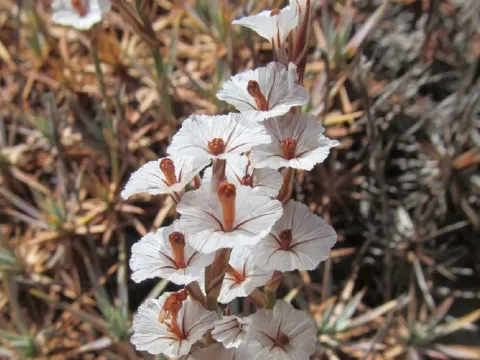
Acantholimon melananthum
Acantholimon melananthum
Acantholimon melananthum is a unique perennial plant belonging to the Plumbaginaceae family. It is recognized for its dense, cushion-forming growth habit, typically native to rocky, high-altitude mountain slopes across arid regions.
What the section contains
Acantholimon melananthum
The botanical characteristics include rigid, needle-like leaves that are often spine-tipped, providing an evolutionary advantage against harsh winds and herbivory. These plants are exceptionally slow-growing and adapted to low-nutrient environments.
To thrive in a garden setting, it requires well-drained, gritty soil. The presence of limestone or volcanic gravel is highly recommended to mimic its natural habitat and ensure the roots receive adequate oxygen while avoiding moisture retention.
The plant demands full sun exposure throughout the day. It is a drought-tolerant species that flourishes in climates where it receives intense sunlight and minimal humidity, making it an excellent candidate for specialized rock gardens.
In cultivation, its economic value is restricted to ornamental horticulture. It is highly prized by alpine plant enthusiasts for its structural beauty and ability to remain compact and vibrant throughout the growing season.
The most significant threat to the survival of Acantholimon melananthum is crown rot caused by prolonged dampness. During autumn and winter, it is essential to ensure that the crown of the plant stays dry to prevent bacterial infections.
Pests such as spider mites may occur during periods of extreme heat and stagnant air. Keeping the area surrounding the plant clean and ensuring good airflow across the rockery usually serves as an effective preventative measure.
Root rot, driven by improper watering regimes, is a common ailment that leads to sudden collapse. Once rot sets in, it is difficult to reverse, which is why preventive drainage is the cornerstone of successful agricultural practice for this species.
For chemical control of fungal outbreaks, specialized fungicides containing systemic agents can be used. However, application should be localized to prevent burning of the delicate, wax-covered foliage typical of high-mountain species.
Regular maintenance, including the removal of dead central leaves and ensuring the gravel layer around the base remains free of organic debris, is crucial for preventing diseases and keeping the plant in peak condition.