
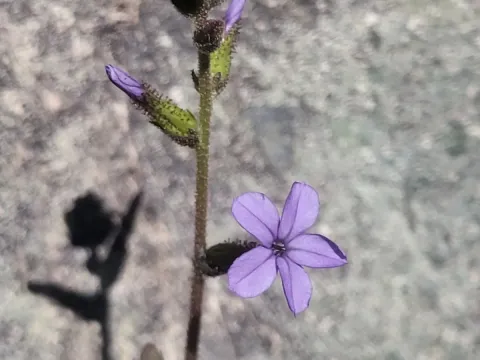
Blue plumbago
Plumbago caerulea
Blue plumbago (Plumbago caerulea) is a member of the Plumbaginaceae family known for its delicate aesthetic qualities. Propagation is generally achieved through seeds sown in protected environments during the late winter months.
What the section contains
Blue plumbago
The seeds require a warm substrate, ideally between 20 and 22 degrees Celsius, to ensure optimal germination rates. Using high-quality seed starting mix prevents early-stage seedling damping off.
Once seedlings achieve their first true leaves, transplanting them into individual containers becomes necessary. This process strengthens the root ball and prepares the plant for its final location in the garden.
Hardening off the plants is a critical phase before permanent transplanting. This involves gradually exposing the young plants to outdoor temperatures over a week to prevent physiological stress.
The final planting phase takes place when the soil temperature has stabilized, typically in late spring, allowing for steady growth during the warmer months of the year.
Plumbago caerulea thrives in environments with full sun to partial shade. Exposure to consistent sunlight is vital for the plant to produce its signature blue flowers in high density.
The soil should be well-draining, rich in organic matter, and have a pH level that ranges from neutral to slightly acidic. Improving drainage in heavy soils is essential for preventing root-related physiological disorders.
Watering requirements remain consistent during the growing season. The soil should be kept moderately moist, ensuring that it never completely dries out, while simultaneously avoiding waterlogging.
Nutrient management involves applying balanced fertilizers during the active growth phase. Phosphorus and potassium are key ingredients for sustaining the metabolic demands of prolific flowering.
Strategic pruning is required to maintain the shape of the shrub and encourage secondary branching. Removing spent flowers helps the plant divert energy into new bud formation.
Common pests affecting blue plumbago include spider mites and mealybugs, which thrive in dry and stagnant conditions. These pests can rapidly affect plant health if not managed promptly.
Fungal issues, such as root rot, often arise from poor drainage or excessive soil moisture levels. Ensuring good air circulation around the base of the plant is a fundamental preventive measure.
Early identification of pest infestations allows for the use of soap-based insecticidal treatments. Such measures are effective and reduce the need for harsh synthetic chemicals.
Sanitation practices, including the removal of dead foliage and debris around the base of the plant, significantly reduce the habitat for common garden pests.
Consistent monitoring of the foliage helps detect any early signs of nutritional deficiencies or pathogen attacks, ensuring the longevity and health of the ornamental shrub.