
Ceratostigma
Ceratostigma Bunge
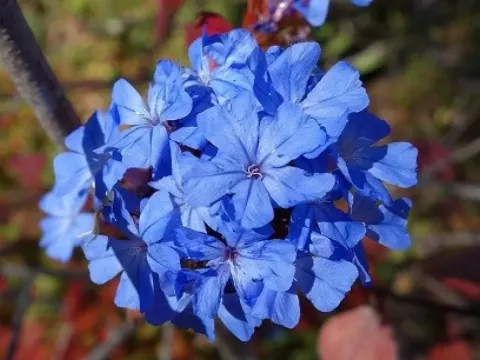
Ceratostigma is a genus of perennial herbaceous plants and subshrubs belonging to the Plumbaginaceae family. These plants are highly valued in landscape design for their brilliant blue flowers and their ability to turn vibrant bronze-red in the autumn season.
What the section contains


Ceratostigma
Native to regions of Asia, primarily China and the Himalayas, Ceratostigma thrives in temperate climates. It prefers sunny locations protected from strong winds, although it can tolerate partial shade if the environmental conditions are mild.
The culture has specific soil requirements: it must be loose and well-draining, as moisture stagnation is fatal to the root system. The optimal growing medium is a neutral or slightly acidic loamy or sandy soil rich in organic matter.
Agrotechnical practices include moderate watering during dry spells and regular weeding. In regions with severe winters, Ceratostigma requires mandatory mulching of the root zone with peat or fallen leaves to protect it from deep freezing.
The primary agricultural and horticultural use of Ceratostigma is ornamental. It is ideally suited for rock gardens, low border arrangements, ground cover applications, and filling spaces beneath larger ornamental shrubs in garden designs.
The main biological threats to Ceratostigma include fungal diseases that develop due to excessive moisture in the soil and air. Root rot is the leading cause of plant mortality during the early spring growth period.
Among pests, aphids are frequently observed on Ceratostigma plantings, where they feed on the sap of young shoots and buds, significantly weakening the plant's immunity. Control is managed through the application of systemic insecticides.
Spider mites may damage the foliage under conditions of prolonged drought and high temperatures. Prevention involves maintaining optimal humidity levels and ensuring the timely removal of dead plant material from the area.
Root-knot nematodes also pose a potential risk if soil hygiene is neglected or if infested planting material is introduced. Affected specimens must be removed and destroyed outside the garden area to prevent infestation spread.
To maintain plant health, it is recommended to apply broad-spectrum fungicides as a preventative measure in early spring and mid-summer. Regular sanitary pruning of dry stems is essential to inhibit the spread of pathogens.