
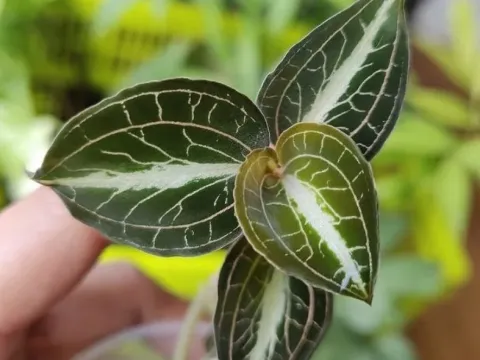
Platythelys sagranus
Platythelys sagranus
Platythelys sagranus is a member of the Orchidaceae family, specifically a terrestrial orchid species. It is primarily recognized as a botanical curiosity and a collectible plant rather than a traditional agricultural crop.
What the section contains
Platythelys sagranus
The species originates from the Caribbean region, with Cuba being a primary location within its natural habitat. It typically thrives in the moist, shaded understory of tropical forests, where conditions are consistently stable.
Successful cultivation of Platythelys sagranus requires an environment with diffused light, as direct sunlight can easily burn its delicate foliage. A shaded or semi-shaded location is essential for healthy leaf development.
Humidity management is a critical factor for this orchid. It requires a high level of ambient humidity, often necessitating the use of specialized terrariums or indoor greenhouses to simulate its native environment.
The potting medium must be well-draining yet capable of holding moisture. A combination of orchid bark, sphagnum moss, and charcoal is often recommended to create a structure that mimics the forest floor environment.
The most significant threat to Platythelys sagranus in a controlled environment is root rot caused by improper drainage or excessive water retention. It is imperative to ensure that the medium never remains waterlogged.
Spider mites are common pests that thrive in the indoor conditions where orchids are kept. These pests can rapidly affect the health of the plant by draining the chlorophyll from the leaves, leading to stunted growth.
Mealybugs are another prevalent concern, as they often hide in the tight spaces between leaves. Regular inspections and immediate removal of any detected insects are essential to prevent a wider infestation.
Fungal infections, which often manifest as dark spots on the leaves, usually stem from poor airflow. Installing a small fan or ensuring natural ventilation can significantly reduce the risk of such diseases.
Overall plant health is best maintained through consistent hygiene and careful watering practices. Proactive monitoring is the most effective defense against the diverse threats that can impact this delicate orchid.