
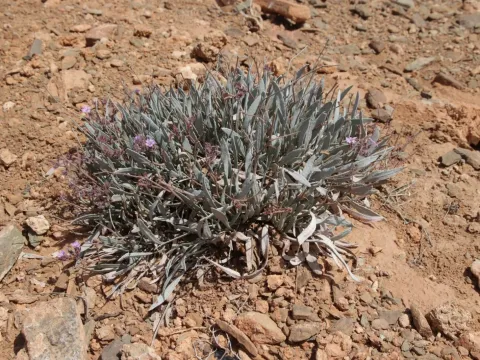
Ceratolimon feei
Ceratolimon feei
Sowing of Ceratolimon feei typically takes place in early spring once the soil temperature is consistently above the ten-degree Celsius threshold.
What the section contains
Ceratolimon feei
The seeds require a well-prepared seedbed, and consistent moisture levels must be maintained during the initial germination phase to ensure a high success rate.
For large-scale cultivation, precision drilling is often preferred to maintain the correct density and ensure optimal space for each developing plant rosette.
Depending on the climatic zone, indoor starting may be necessary to overcome shorter growing seasons and allow the plant to establish before harsher weather arrives.
Adequate spacing is crucial to prevent seedling competition and to ensure that each plant receives sufficient exposure to sunlight for healthy development.
Ceratolimon feei is a member of the Plumbaginaceae family, adapted to specific environments that often include well-drained and slightly mineral-rich soils.
The plant thrives in full sun exposure, which is vital for its photosynthesis process and for maintaining the structural integrity of its foliage and flowers.
Soil requirements focus on excellent drainage, as the species is highly susceptible to root rot if moisture lingers in the root zone for extended periods.
While the plant is hardy, it benefits from balanced soil nutrition, avoiding excessive nitrogen applications which can lead to disproportionate leafy growth.
Climatic adaptability includes a moderate tolerance to wind, provided the soil moisture is kept balanced and the root system is well-established.
Root rot caused by fungal pathogens is the primary threat to Ceratolimon feei, especially in fields with poor drainage or during periods of excessive rainfall.
Spider mites represent a significant pest during hot and dry seasons, frequently attacking the foliage and reducing the photosynthetic surface area.
Pest management should prioritize integrated methods, such as encouraging beneficial predatory insects, to minimize chemical impact on the environment.
Disease control often involves cultural practices like proper crop rotation and ensuring adequate airflow between plants to prevent humidity build-up.
Monitoring for signs of infestation should occur regularly during the peak growth months, with quick action required upon early detection of symptoms.
The harvesting process for Ceratolimon feei occurs when the plants reach full maturity, marked by specific color changes in the reproductive structures.
It is recommended to perform harvesting during dry conditions to ensure that the moisture content is low, which facilitates faster drying and safer storage.
Hand-harvesting remains the most effective method for this crop due to the delicate nature of the plant, ensuring that quality is preserved throughout the process.
Post-harvest handling requires immediate transfer to a ventilated drying facility to protect the crop from immediate environmental stressors or moisture accumulation.
Proper storage conditions involve cool, dry areas with limited light exposure to ensure the long-term viability and quality of the harvested botanical material.