
Acantholimon halophilum
Acantholimon halophilum
Description
Growing requirements
Acantholimon halophilum is a perennial plant belonging to the Plumbaginaceae family. It is native to the arid and saline regions of Turkey, demonstrating remarkable adaptation to extreme environmental stress.
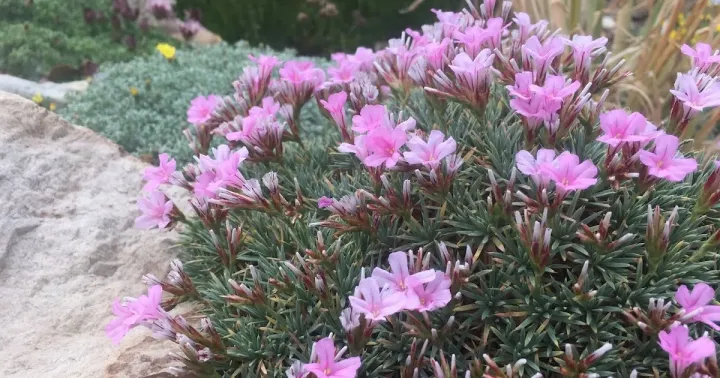
The plant grows in dense, cushion-like forms composed of sharp, sclerophyllous leaves. This morphological adaptation allows it to minimize water loss and protect itself against grazing animals in its natural habitat.
To cultivate this species successfully, it is essential to provide full sun exposure. It thrives in environments where heat is constant and rainfall is rare, mimicking its native arid mountain conditions.
The soil must be exceptionally well-drained, ideally consisting of a gritty, rocky mix with a neutral to slightly alkaline pH. Given its halophilic nature, it is highly tolerant of poor and mineral-rich soils.
In landscaping, it is used primarily for ornamental purposes. It is a prized specimen for rock gardens, crevice plantings, and xeriscaping, where its structural form provides year-round interest.
Main diseases and pests
Excessive soil moisture is the primary threat to the health of the plant. Waterlogging, especially during cooler months, is almost certain to result in root rot.
Fungal pathogens can affect the cushions if airflow is restricted or if the plant is grown in high humidity environments unsuitable for xerophytes.
Pests such as spider mites may infest the plant if it is kept in stagnant, dry indoor air or under improper greenhouse conditions.
Dead leaves trapped within the dense cushion can create an environment for mold growth, making periodic cleaning of the foliage advisable.
Prevention relies heavily on selecting a site with excellent drainage and avoiding overhead irrigation that leaves water trapped in the foliage.