
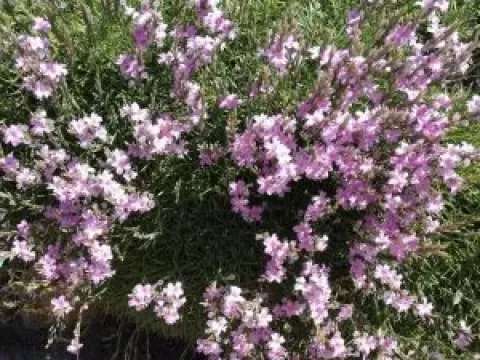
Acantholimon hybrids
Acantholimon hybrids
Acantholimon hybrids are compact, cushion-forming perennial plants belonging to the Plumbaginaceae family. These plants are highly regarded for their spiny, evergreen foliage and delicate flowers, which make them a staple in alpine gardens and dry landscaping projects.
What the section contains
Acantholimon hybrids
Originating from the mountainous regions of Central Asia, these hybrids are naturally adapted to harsh environments. Their evolutionary history in high-altitude rocky terrain has resulted in significant resilience to extreme temperature fluctuations and limited nutrient availability.
The primary cultural requirement for Acantholimon is impeccable drainage. They thrive in gritty, rocky soils that do not retain moisture for long periods. Planting in heavy, clay-based soils often leads to root rot, which is the most common cause of failure in cultivation.
Light requirements are strictly sunny. These plants require full, direct sun to maintain their dense, tight growth habit. Insufficient light results in elongated, weak stems and a loss of the characteristic cushion shape that defines their aesthetic appeal.
Maintenance is minimal once the plants are established. They are exceptionally drought-tolerant and rarely require supplementary irrigation. They perform best in slightly alkaline to neutral soil pH, mimicking the conditions of their native limestone-rich mountain habitats.
Root rot caused by fungal pathogens is the most significant threat to Acantholimon hybrids. This condition is almost always a result of poor soil aeration or excessive winter moisture, necessitating the use of gravel mulching around the plant crown.
Spider mites represent the main pest threat, particularly during prolonged periods of hot and dry weather. These tiny arachnids infest the dense foliage, causing discoloration and weakening the plant's overall vigor over time.
Preventative measures include ensuring excellent airflow and avoiding overcrowding. Regular inspection of the inner portions of the cushion is crucial to identify early signs of infestation or fungal blight before they spread throughout the colony.
Treatment involves the judicious use of contact fungicides and miticides. When applying chemicals, it is important to ensure thorough coverage of the dense leaf structure, which can often shield pests from direct contact with the treatment agents.
Cultural prevention remains the most effective strategy. By maintaining a lean, fast-draining substrate and ensuring the plant is positioned in an area with maximum sunlight exposure, the susceptibility to pests and diseases is kept to an absolute minimum.