
Acantholimon bracteatum
Acantholimon bracteatum
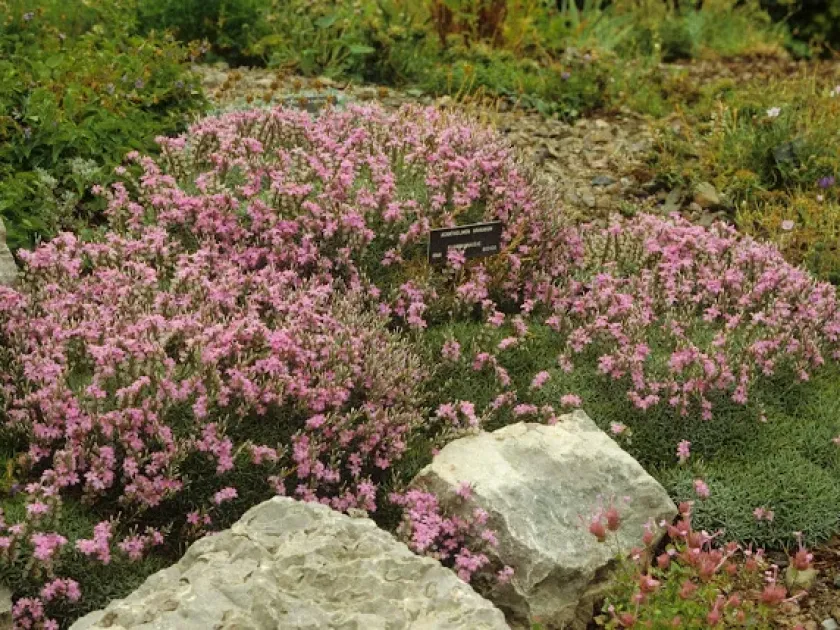
Description
Growing requirements
Acantholimon bracteatum is a prominent member of the Plumbaginaceae family. This perennial species is renowned for its low-growing, cushion-forming habit, making it a staple of alpine-style gardening and xeriscaping.
Native to arid mountain ranges, this plant thrives in poor, rocky soils. Successful cultivation requires a substrate with excellent drainage, such as a gravelly or sandy mix, to prevent root rot during dormant seasons.
The plant requires full sun exposure to maintain its characteristic compact, spiny, and rounded shape. Inadequate sunlight leads to etiolation and a significant reduction in the aesthetic value of the cushion.
Regarding water requirements, Acantholimon bracteatum is highly drought-tolerant once established. It is adapted to the harsh conditions of its natural habitat, where precipitation is scarce and seasonal temperature fluctuations are high.
In landscape use, this species is ideal for rock gardens, crevice plantings, and troughs. It serves as an excellent companion to other heat-loving plants, providing structural interest even when not in bloom.
Main diseases and pests
The most significant threat to the health of Acantholimon bracteatum is excessive soil moisture, particularly during the winter months. Damp conditions around the crown will almost certainly cause lethal fungal decay.
Pests such as spider mites may occasionally infest the plants, especially when grown in containers or areas with poor air circulation. Regular monitoring and, if necessary, the application of horticultural oils or miticides can control these infestations.
Competition from aggressive weeds is a concern for this slow-growing perennial. Weeds can trap moisture and shade out the cushion, leading to the death of interior foliage and subsequent decline of the entire plant.
Preventative care is centered on moisture control. Using a layer of grit or decorative gravel mulch around the base of the plant is highly effective in preventing contact between foliage and moisture-retaining soil.
When providing care, avoid overhead watering. Moisture trapped within the dense, needle-like foliage can create a micro-environment suitable for pathogens, compromising the structural integrity of the plant's cushion.