
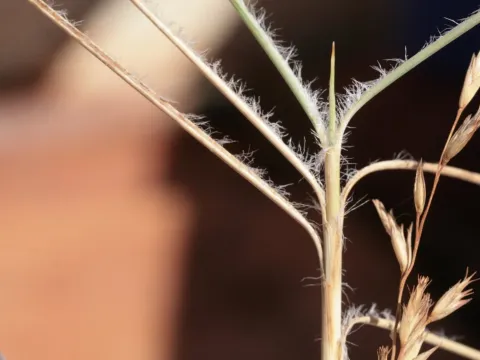
Plectrachne
Plectrachne
Plectrachne is a genus of perennial grasses belonging to the family Poaceae. These plants are native to the arid and semi-arid landscapes of Australia, where they are known for their extreme resilience in harsh, low-rainfall environments.
What the section contains
Plectrachne
The morphology of Plectrachne typically involves dense, tufted growth habits with rigid, sharp-pointed leaves. This structural adaptation helps the plant conserve water and survive in high-heat conditions that would be lethal to more delicate grass species.
In terms of soil requirements, this crop thrives in poor, sandy, or rocky substrates. It does not require high levels of nitrogen or organic matter, making it suitable for areas where traditional agricultural crops struggle to establish.
Climatic requirements focus on high solar radiation and tolerance to sustained periods of heat. The plant utilizes a specialized photosynthetic pathway, allowing it to maintain metabolic functions even when water availability is extremely limited.
Agricultural use is primarily focused on environmental services, such as soil stabilization and reclamation of degraded lands. It acts as a primary pioneer species in desertification-prone regions, helping to maintain soil integrity.
The main challenge in utilizing Plectrachne is its limited nutritional value, as the high silica content in its foliage makes it difficult for livestock to digest.
Pests such as grasshoppers and various locust species are the most significant threat, often causing severe defoliation during peak breeding cycles in arid regions.
Disease pressure, including various fungal rusts, can become a concern if the plants are subjected to uncharacteristically high humidity levels or poor drainage in irrigation schemes.
Overgrazing poses a major threat to the long-term survival of Plectrachne stands, as the plants have a relatively slow recovery rate following significant biomass removal.
Integrated management plans for Plectrachne focus on light grazing intervals to prevent damage to the core of the tufts, ensuring that the root system remains healthy and competitive against invasive weed species.