
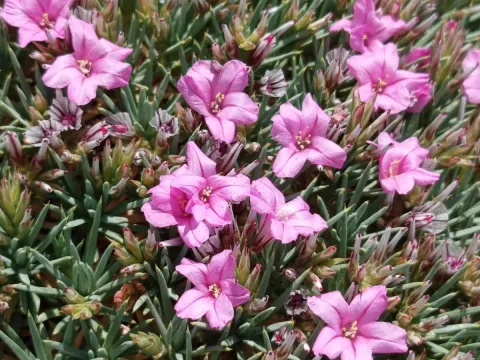
Acantholimon
Acantholimon
Acantholimon is a genus of perennial herbs and subshrubs belonging to the family Plumbaginaceae. Commonly known as prickly thrift, these plants are famous for their dense, cushion-like growth habit and stiff, needle-like leaves that form compact mounds.
What the section contains
Acantholimon
The genus originates from mountainous regions across Central Asia, the Caucasus, and the Mediterranean. These plants have evolved to thrive in harsh environments characterized by rocky screes, poor soil quality, and extreme temperature fluctuations.
For successful cultivation, excellent drainage is non-negotiable. Acantholimon requires a lean, sandy, or gravelly substrate that mimics its natural high-altitude habitat. Heavy or organic-rich soils will lead to root rot and eventual plant failure.
The species are highly photophilous and demand full sun exposure throughout the growing season. They are remarkably drought-tolerant once established, but they require protection from excessive humidity, especially during winter months when moisture in the cushion center is dangerous.
Planting site selection is crucial. A well-constructed rock garden with a slope or raised bed is the most suitable environment to ensure that water drains away from the crown, which is vital for the plant's long-term health and structural integrity.
The primary threat to Acantholimon is fungal diseases triggered by poor air circulation and excessive moisture. Root and crown rots are the most common issues, typically resulting from improper drainage or stagnation of water within the dense foliage.
Pests are generally infrequent, but the spider mite can become a nuisance during prolonged periods of high heat and low humidity. These pests feed on the sap of young leaves, causing discolouration and dieback of individual branches within the cushion.
Gray mold (Botrytis) may develop in the center of the plant if moisture remains trapped for too long. This is particularly problematic in humid climates or during wet winters, requiring corrective measures like improved ventilation and protective shelters.
Maintenance to prevent disease involves a top-dressing of gravel or grit around the base of the plant. This practice prevents the leaves from coming into direct contact with wet soil and keeps the crown dry and aerated.
In cases of significant infestation or infection, it is recommended to prune away the affected parts immediately. Follow-up treatments with appropriate systemic fungicides or miticides should be applied strictly according to the manufacturer's dosage instructions.