
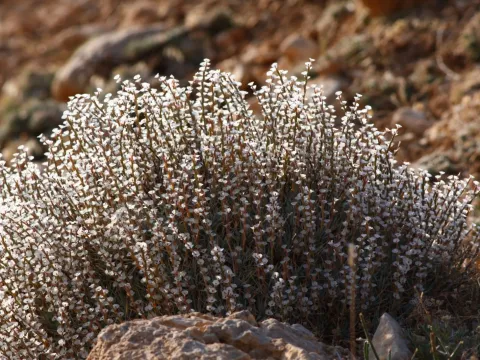
Acantholimon armenum
Acantholimon armenum
Seeds of Acantholimon armenum require a period of cold stratification to break dormancy. Sowing in late autumn or early winter in outdoor containers is the most effective method for successful germination.
What the section contains
Acantholimon armenum
The growing medium must be exceptionally gritty and well-draining, consisting of a mix of sharp sand, pumice, and minimal loam. Seeds should be sown thinly and covered with a fine layer of grit.
Germination typically occurs in early spring when temperatures begin to rise. During this phase, it is crucial to keep the substrate moist but never saturated to prevent damping-off diseases.
Once seedlings develop true leaves, they should be transplanted into individual pots to accommodate the development of the primary taproot. Careful handling is necessary to ensure the roots remain undamaged during the process.
Gradual hardening off is required before moving young plants to their permanent location in a rock garden or alpine bed. This ensures the plants are resilient enough for harsh environmental conditions.
Acantholimon armenum is a member of the Plumbaginaceae family, renowned for its compact, spiny, cushion-forming habit. It is native to rocky, mountainous landscapes, specifically adapted to high-altitude environments.
Sunlight is the most critical requirement for this species. It demands a full-sun position throughout the day to maintain its tight growth habit; any amount of shade will lead to unsightly etiolated growth.
The soil profile must be inorganic, mineral-rich, and lean. Avoid fertile soils, as high nitrogen content promotes rapid, soft growth that is prone to pests and winter damage. Gravelly or rocky scree slopes are optimal.
Watering should be very restricted. Established plants are highly drought-tolerant and typically thrive on rainfall alone. Excess water, particularly around the root collar, is detrimental to the plant's long-term health.
The plant demonstrates high winter hardiness but requires protection from winter wetness. A glass cover or a dry mulch layer can prevent the cushion from rotting due to prolonged moisture accumulation.
Root rot is the primary physiological threat to Acantholimon armenum, frequently triggered by improper soil drainage or excessive irrigation. Once the root system is compromised, the plant is extremely difficult to revive.
Spider mites are common pests that thrive in the heat of mid-summer, especially when plants are stressed by drought. These mites suck plant sap, leading to foliage discoloration and loss of vigor.
Fungal infections can develop within the dense cushion if debris is allowed to accumulate. This moisture-trapping material creates a breeding ground for pathogens that can lead to sudden collapse of parts of the cushion.
Overcrowding with other perennials may restrict airflow around the plant, increasing the risk of foliage diseases. It is advisable to provide ample space to allow the cushion to dry out quickly after rain.
Preventative measures include maintaining excellent ventilation, strictly controlling moisture levels, and avoiding the use of high-nitrogen fertilizers that encourage unnaturally succulent and vulnerable growth.