
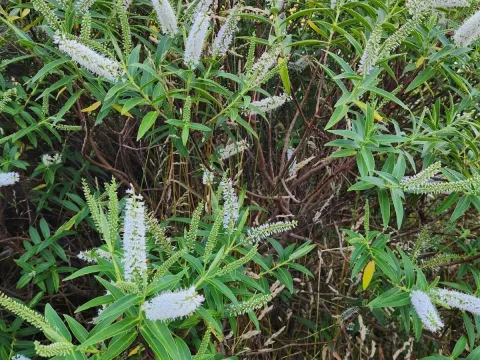
Veronica stricta
Veronica stricta
Veronica stricta is a hardy perennial belonging to the Plantaginaceae family. Originally native to New Zealand, this species is characterized by its distinct, upright growth habit, which has made it a popular choice for structured landscape design and perennial garden borders across various temperate regions.
What the section contains
Veronica stricta
The plant thrives in well-drained soil types, specifically preferring loamy or sandy loam textures. Ensuring excellent drainage is paramount for the health of the root system, as constant moisture saturation can lead to root rot and other physiological disorders. Soil pH should ideally be maintained between neutral and slightly acidic levels.
Regarding climatic requirements, Veronica stricta prefers open, sunny locations that allow for optimal photosynthetic activity and structural development. While it shows some resilience to variable weather, providing shelter from intense, drying winds during winter months helps preserve the integrity of the plant's evergreen or semi-evergreen foliage.
Agronomic management involves standard maintenance practices, including the application of balanced fertilizers during the early spring flush to support robust growth. Regular irrigation is necessary during the establishment phase, transitioning to moderate watering once the root system is well-settled into the soil profile.
The primary utility of this culture is ornamental. It is frequently employed in horticultural projects for its elegant, spire-like appearance during the flowering period, providing a vertical contrast to lower-growing, spreading perennials and groundcovers within a landscape setting.
Pathogenic challenges include common fungal issues such as powdery mildew, especially during seasons with high humidity and limited airflow. Proper spacing between individual plants is the best preventative measure to maintain healthy foliage and stems.
Insect pests, including aphids and spider mites, may periodically colonize the plants during periods of environmental stress. Implementing an integrated pest management approach, including manual removal or targeted treatments, is generally sufficient to protect the health and aesthetic quality of the crop.