
Veronica tetragona
Veronica tetragona
Description
Growing requirements
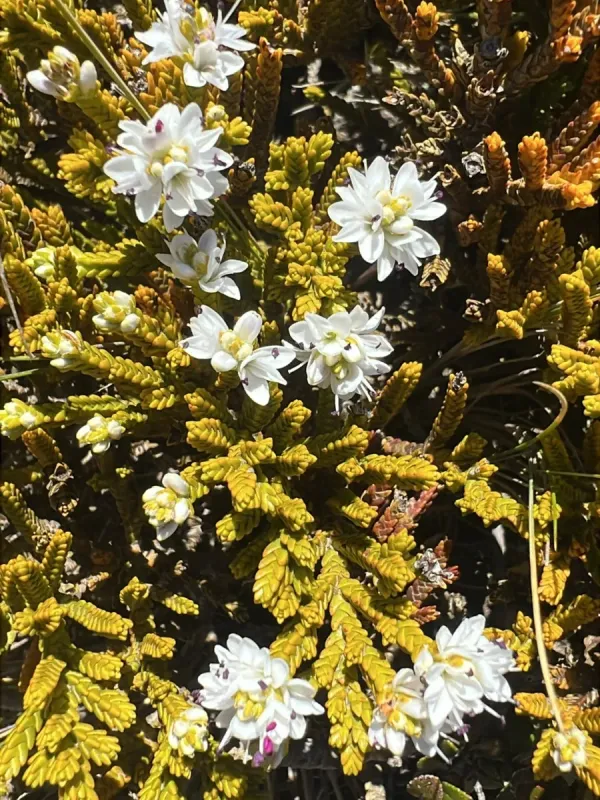
Veronica tetragona is a distinct species belonging to the Plantaginaceae family. Native to the mountainous regions of New Zealand, this plant is renowned for its remarkable resemblance to whipcord conifers, making it a highly prized specimen for collectors of alpine flora.
The plant exhibits unique botanical characteristics: its leaves are reduced to small scales that cover the stems in four distinct rows, resulting in a quadrangular, or four-angled, stem shape. This architecture helps the plant conserve moisture and withstand harsh mountain conditions.
Successful cultivation depends on replicating its native alpine environment. It requires a substrate with excellent drainage, such as gritty or rocky soil, and a sunny position. Heavy, water-retentive soils are detrimental, as they often lead to root rot during dormant seasons.
Climate-wise, it prefers cooler temperatures and thrives in environments with good airflow. While it is hardy in many temperate zones, it benefits from protection against freezing winds during the winter months, especially in regions with high precipitation levels.
In terms of practical use, Veronica tetragona is strictly an ornamental crop. It is widely employed in rock gardens, scree beds, and alpine troughs where its slow growth rate and architectural structure add value throughout the year, especially when it produces clusters of small white flowers.
Main diseases and pests
The primary threats to Veronica tetragona involve moisture-related issues. Pathogenic fungi, particularly those causing crown and root rot, are the most frequent causes of plant decline, typically occurring when the plant is kept in humid or poorly drained conditions.
Pests are generally manageable but may include aphids or spider mites. These are most active during warm, dry spells; therefore, routine monitoring and ensuring the plant is not under physiological stress are the best preventative measures for any professional grower or hobbyist.