
Veronica tetrasticha
Veronica tetrasticha
Description
Growing requirements
Veronica tetrasticha is a unique alpine plant belonging to the Plantaginaceae family, natively found in the high mountain ranges of New Zealand.
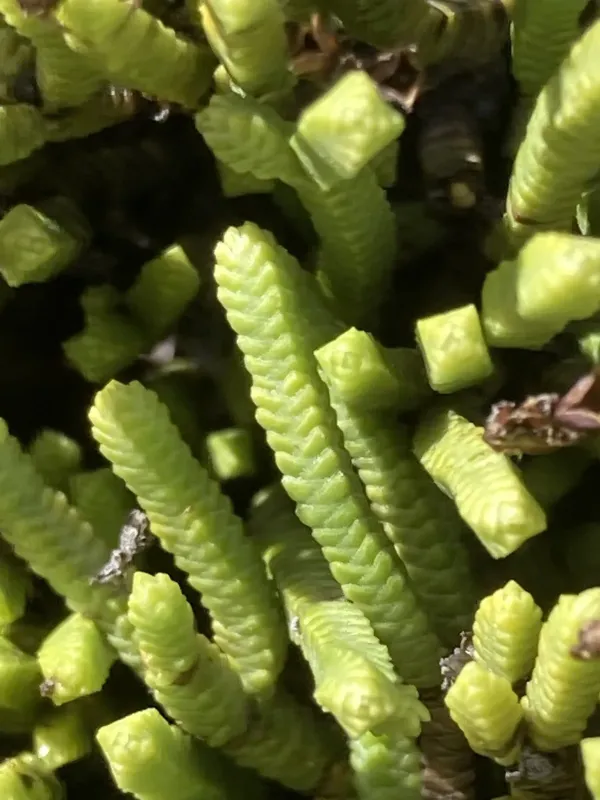
The culture is characterized by its distinct whipcord appearance: its stems are densely covered with tiny, scale-like leaves arranged in four rows, resembling conifers or clubmosses.
This species prefers a cold, temperate climate with high light intensity and excellent air circulation, conditions reflecting its high-altitude origin.
Successful cultivation requires well-drained, rocky, or sandy soils with low organic content, as waterlogging at the roots is detrimental to this species.
In terms of agricultural practice, it is crucial to avoid excessive moisture and high humidity during hot periods, as the plant is highly susceptible to fungal infections under stress.
Main diseases and pests
The primary threat to Veronica tetrasticha is root rot, which is triggered by soil saturation or a lack of effective drainage systems.
Under greenhouse or indoor conditions, the plant may suffer from powdery mildew outbreaks if ventilation is insufficient or airflow is poor.
Among common pests, spider mites pose the greatest danger, as they multiply rapidly when the temperature balance shifts toward overheating.
Nematodes can also damage the root system, causing the plant to wilt and eventually leading to the death of the specimen.
Prevention focuses on the use of sterile growing media, regular visual inspections, and maintaining optimal moisture levels without the risk of water pooling.
Harvesting
The primary use of this culture in horticulture and professional landscaping is for the creation of alpine gardens, rockeries, and specialized nursery collections.
The plant is highly valued by landscape architects for its unique textural appeal and its compact form that remains stable throughout the growing season.
Seed harvesting or vegetative propagation is typically performed in late summer, followed by cold stratification of seeds to improve germination rates.
During cultivation, moderation in fertilization is key; mineral-based fertilizers intended for succulents are preferred to prevent overly succulent or soft growth.
Since the plant is specialized, commercial production requires simulated high-altitude environments, which significantly limits mass-market scalability.