
Veronica raoulii
Veronica raoulii
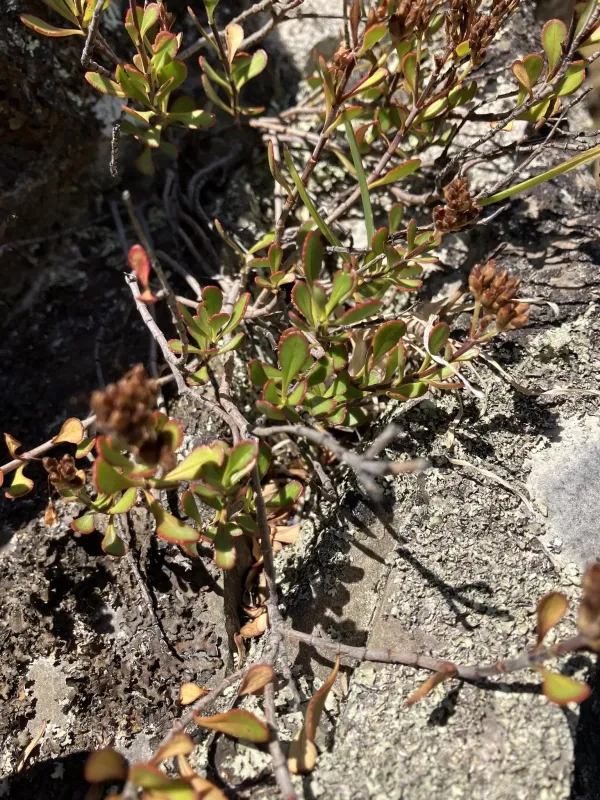
Description
Sowing dates
Sowing seeds of Veronica raoulii is typically performed in late winter within controlled environments to ensure high germination rates before spring.
The seeds require light exposure for optimal germination, so they should be surface-sown on a fine, well-draining seed-starting mix.
Cold stratification for several weeks mimics the natural dormancy cycle of this plant, significantly improving the uniformity of the sprouting process.
Seedlings are delicate and require consistent moisture and air circulation during the initial growth phase to prevent damping-off diseases.
Transplanting into the garden should occur only after the risk of frost has passed, ensuring the plants have established enough strength.
Growing requirements
Veronica raoulii is a member of the Plantaginaceae family, originating from the rugged terrain of New Zealand, which defines its ecological needs.
This species thrives in full sun and requires exceptionally well-draining, gritty soil to prevent the crown of the plant from rotting during the winter.
It prefers a temperate climate and is well-suited for rock gardens or alpine troughs where soil moisture can be strictly managed by the gardener.
The plant demonstrates a compact growth habit, making it an excellent candidate for decorative landscaping in areas with restricted root space.
Limited fertilizer application is necessary, as excessive nitrogen encourages lush but weak growth that is prone to winter injury and fungal attacks.
Main diseases and pests
The primary threat to this plant is poor drainage, which rapidly leads to root and crown rot, especially during cooler and wetter months of the year.
Fungal leaf spots can manifest under conditions of high humidity, necessitating proper spacing between plants to maintain constant airflow.
Aphids are occasional pests that tend to cluster on fresh shoots, potentially weakening the plant during the active growth period in summer.
Slugs and snails can severely damage the foliage, particularly affecting young, newly established plants in damp garden environments.
Maintaining a clean growing area and promptly removing decaying organic matter are the most effective non-chemical strategies for pest control.