
Veronica pulvinaris
Veronica pulvinaris
Description
Growing requirements
Veronica pulvinaris is a perennial herbaceous plant belonging to the Plantaginaceae family. This species is native to alpine environments, which significantly shapes its physiological and morphological traits.
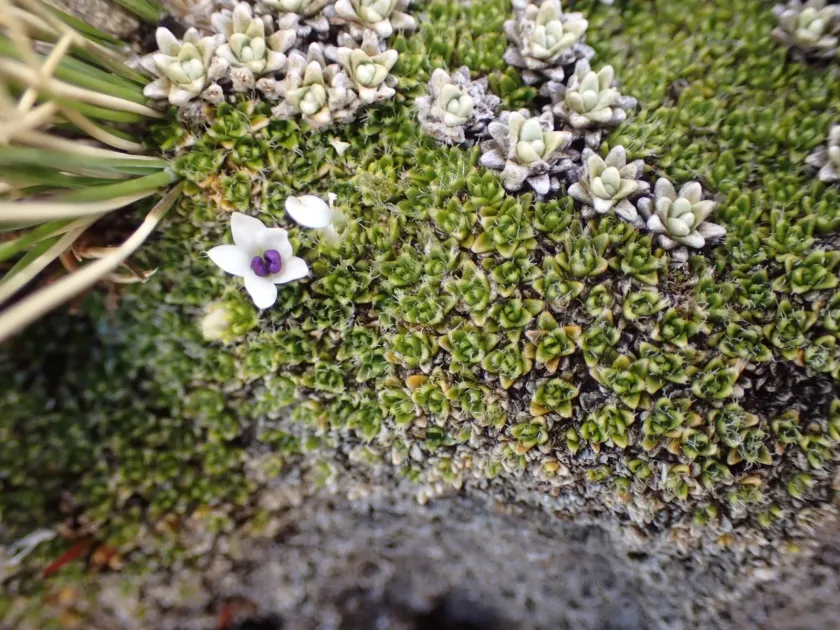
The plant is distinguished by its cushion-forming growth habit, characterized by extremely dense, low-growing stems and foliage. This evolutionary adaptation serves to minimize water loss and protect the plant against harsh, freezing mountain winds.
Cultivation requires careful attention to soil conditions; the plant demands excellent drainage and thrives in gritty, nutrient-poor substrates. It is essential to replicate the high-light, low-humidity environment of its origin to ensure longevity.
In terms of climatic requirements, Veronica pulvinaris is exceptionally hardy, capable of withstanding extreme cold. However, it is sensitive to the hot and humid summers of lower altitudes, which often lead to plant decline if air circulation is insufficient.
Its primary agricultural and horticultural role is that of a decorative specimen. Due to its unique texture and compact habit, it is a highly sought-after plant for specialized rock gardens, crevice plantings, and alpine collections.
Main diseases and pests
The primary threat to the health of Veronica pulvinaris is root rot, typically triggered by soil saturation or improper drainage. Maintaining a dry, gravelly surface around the crown is vital to prevent decay.
Fungal infections such as powdery mildew can become a problem if the plants are situated in areas with poor ventilation or high humidity levels, often requiring immediate corrective placement.
Insects like spider mites or aphids may occasionally colonize the plants during periods of drought or stress, necessitating diligent monitoring of the foliage to avoid significant damage to the cushions.
Slugs can be a localized nuisance, particularly for younger plants in early spring. Protecting the plants with non-toxic barriers or keeping the surrounding area free of debris helps mitigate this risk.
Sustainable pest and disease management for this crop relies heavily on preventative cultural practices, focusing on avoiding overhead irrigation and ensuring the plant remains well-ventilated throughout the growing season.