
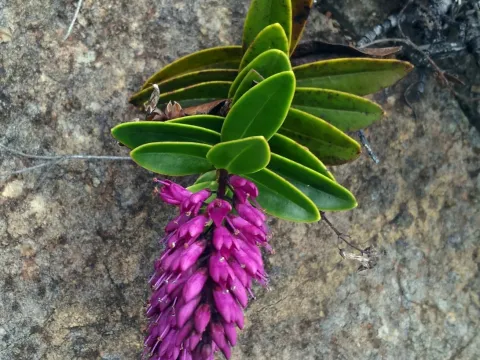
Veronica punicea
Veronica punicea
Veronica punicea is a perennial herbaceous plant belonging to the Plantaginaceae family. It is recognized for its unique botanical morphology and specific ecological preferences that define its cultivation requirements in agricultural settings.
What the section contains
Veronica punicea
This crop thrives in temperate climates with consistent moisture levels. Field selection should prioritize well-draining soil structures, as the species is highly sensitive to waterlogging, which can compromise root health.
Soil requirements are centered on nutrient-rich, loamy substrates with a neutral pH. Adequate organic matter incorporation is essential for maintaining the soil structure and supplying nutrients throughout the growing season.
The plant prefers partial shade or dappled sunlight. Excessive solar exposure during peak summer hours can lead to leaf scorching, thereby reducing the overall quality of the plant material produced.
Cultivation practices involve regular weeding and mechanical cultivation between rows to ensure proper aeration. Water management is critical; irrigation must be balanced to prevent drought stress without inducing root diseases.
Fungal diseases represent a significant threat to Veronica punicea, especially under conditions of high humidity. Pathogens causing foliage spots and mildew are particularly prevalent in dense, poorly ventilated stands.
Insect pests, primarily aphids and spider mites, can damage the crop by feeding on the sap. Integrated pest management strategies, including the use of beneficial insects, are encouraged to protect the crop.
Sanitation practices, such as removing crop debris after the growing season, are fundamental for reducing the inoculum levels of soil-borne diseases and pathogens.
Regular inspections of the canopy are necessary to detect the early onset of infestation or infection. Early intervention significantly increases the success rate of remedial treatments.
Chemical control measures should be applied as a last resort, ensuring that chosen products are compliant with environmental standards and safe for the intended use of the harvest.