
Veronica salicornioides
Veronica salicornioides
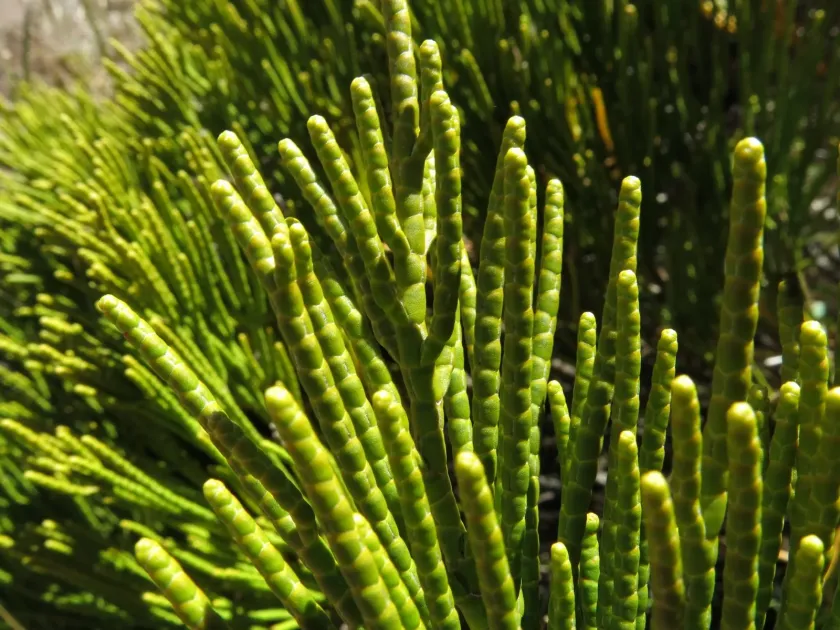
Description
Growing requirements
Veronica salicornioides, often referred to in cultivation as Hebe salicornioides, is a distinctive evergreen shrub belonging to the Plantaginaceae family. Originally native to the high-altitude regions of New Zealand, this plant has adapted to harsh environmental conditions by evolving a unique structure.
Its botanical hallmark is its resemblance to a succulent or a saltmarsh plant, characterized by tiny, scale-like leaves that clasp tightly around the stems. This specialized growth habit creates a dense, columnar, and cypress-like appearance, which is highly prized in modern ornamental landscaping.
The plant requires well-draining, slightly acidic to neutral soil to thrive. It performs best in gritty or sandy loam substrates that do not retain excess water. Soil drainage is critical, as the roots are highly susceptible to rot if left in waterlogged conditions for extended periods.
Regarding climate requirements, this species favors cool to moderate temperatures with good air circulation. While it shows decent frost hardiness in its native habitat, gardeners in colder climates should provide winter protection or cultivate it in pots that can be moved to sheltered locations.
The main horticultural application of this plant is as a specimen or architectural feature in alpine gardens, rockeries, and Mediterranean-style landscapes. Its slow growth and distinct texture make it an excellent choice for low-maintenance garden designs and containers.
Main diseases and pests
The primary threats to Veronica salicornioides include fungal infections caused by stagnant humidity and poor drainage. Root and crown rots are common issues, especially during damp, cool winters if the soil does not allow for efficient water runoff.
Pests such as spider mites, aphids, and scale insects may occasionally infest the plants, particularly during hot, dry spells or when the plant is stressed by improper environmental conditions. Regular inspection and adequate watering are essential to maintain plant vigor.