
Veronica subalpina
Veronica subalpina
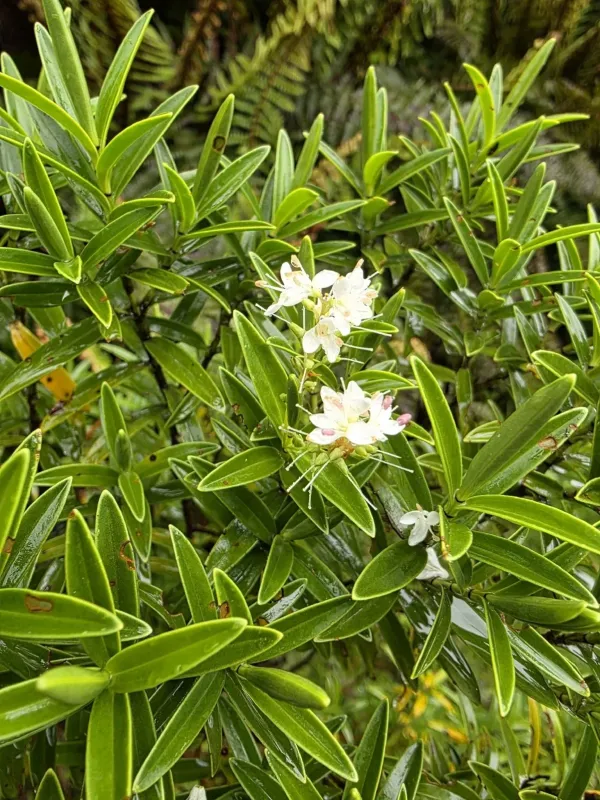
Description
Growing requirements
Veronica subalpina is a perennial herbaceous plant belonging to the Plantaginaceae family. It is naturally adapted to subalpine mountainous conditions, which influences its specific growth requirements and resilience.
The plant thrives in well-drained, gritty, or sandy soils that mimic its native rocky habitat. It is essential to ensure excellent drainage, as the species is highly susceptible to root decay when exposed to waterlogged conditions.
This species prefers full sun exposure to maintain its compact form and produce abundant floral spikes. While it tolerates cooler temperatures very well, it may require some protection from intense heat in regions with long, dry summers.
In landscaping, Veronica subalpina is an excellent candidate for rock gardens, scree slopes, and alpine displays. It requires minimal fertilization; excessive nutrient input often leads to weak stems and reduced flowering longevity.
Maintenance tasks include occasional weeding and cutting back old flower stalks to encourage a secondary flush of blooms. The plant is notably hardy and can withstand freezing temperatures without specialized winter protection.
Main diseases and pests
Powdery mildew is a common fungal threat to Veronica subalpina, particularly in high-humidity climates or areas with poor air circulation. Reducing overhead irrigation and applying sulfur-based fungicides are effective management strategies.
Root rot represents the most significant threat to the survival of the plant. It is primarily caused by heavy, water-retentive soils or excessive watering regimes, leading to the rapid decay of the plant's delicate root system.
Aphids can occasionally infest the growing tips of the plant, causing foliage distortion. If an infestation occurs, horticultural soaps or contact insecticides can be used to mitigate the damage caused by these pests.
Nematode infestations may impair the overall health of the plant, manifesting as stunted growth and yellowing leaves. Removing infested plants completely and ensuring healthy soil conditions are essential for control.
Proactive monitoring for signs of stress and maintaining optimal growing conditions are the best ways to ensure the health and longevity of your Veronica subalpina plantings throughout the growing season.