
Veronica quadrifaria
Veronica quadrifaria
Description
Growing requirements
Veronica quadrifaria is a distinctive perennial plant belonging to the Plantaginaceae family. Originally hailing from the mountainous regions of Central Asia, this species has evolved to thrive in harsh, rocky environments where drainage is excellent and moisture is often limited.
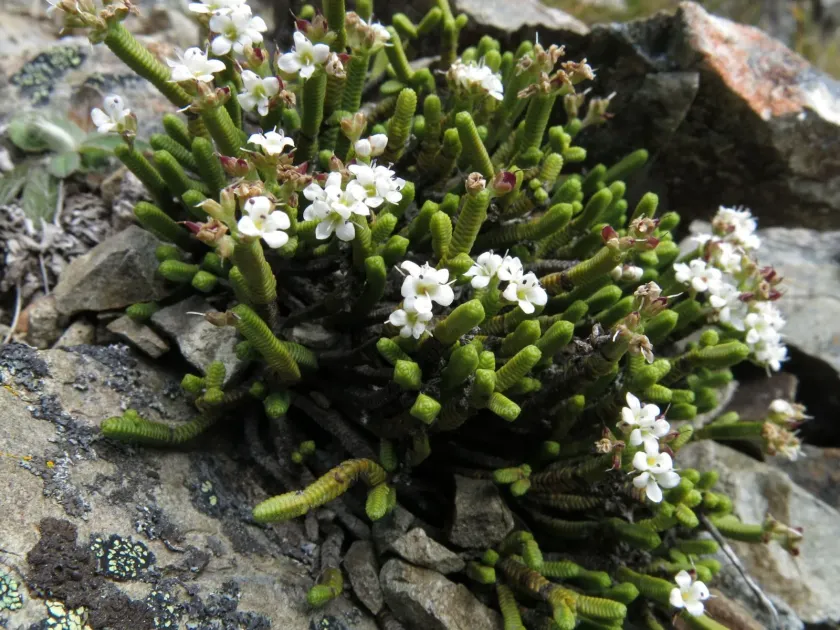
The defining botanical feature of this plant is its phyllotaxy: the leaves are arranged in four distinct vertical rows along the stem. This structural arrangement makes it a highly desirable candidate for collectors of alpine and rock garden flora seeking unique textures.
When cultivating this species, site selection is critical. It demands mineral-rich, gritty, and well-drained soil. Heavy garden soils must be amended with gravel or pumice to prevent crown rot, which is the primary threat to its health during wet seasons.
Environmental conditions should mimic its native habitat, providing full sun exposure and good air circulation. The plant is well-adapted to temperature fluctuations, but it requires a period of dormancy during the colder months, provided the soil remains relatively dry.
In terms of practical utility, Veronica quadrifaria is strictly an ornamental crop used in xeriscaping and alpine landscaping. It serves as an effective ground cover, filling the gaps between larger stones and providing visual interest with its unique, orderly foliage structure.