
Veronica syriaca
Veronica syriaca
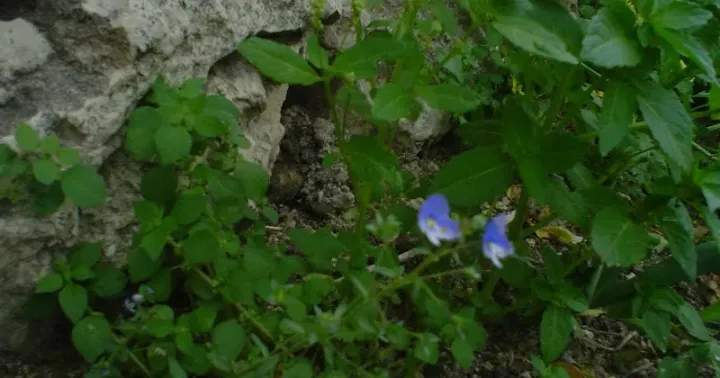
Description
Sowing dates
Veronica syriaca is a member of the Plantaginaceae family, often grown for its ornamental and botanical interest. Sowing is typically performed in early spring once soil temperatures reach 8–10 degrees Celsius.
Mid-April is considered the ideal time for direct seeding in the field. Late autumn sowing is also a viable practice, providing natural stratification that leads to earlier germination and vigorous plant growth in the spring season.
The seeds are small and should be sown at a shallow depth of 0.5–1 cm. Planting in rows with a spacing of approximately 20–25 cm ensures adequate airflow and space for each plant to develop its full canopy.
For greenhouse cultivation, seeds are sown in seedling trays during March. Transplanting is performed after the first set of true leaves appears, which helps in developing a strong and healthy root system before moving to the field.
Consistent moisture is essential during the germination phase. The soil surface should be lightly compacted after sowing to ensure proper seed-to-soil contact, which increases the overall success rate of seed emergence.
Growing requirements
This species thrives in sunny locations; shade exposure often results in legginess and a significant reduction in flower density. While the plant possesses moderate drought tolerance, regular irrigation is required for optimal performance.
Well-drained, fertile, and light soils are preferred. The plant is highly sensitive to waterlogged conditions, which can lead to rapid root rot and systemic failure. Amending heavy soils with organic matter or sand is strongly recommended.
The soil pH should ideally remain between 6.0 and 7.0. Periodic application of balanced fertilizers during the active growing phase significantly enhances foliage quality and overall plant robustness.
Agricultural management includes regular weeding to reduce competition for nutrients and water. Maintaining a clean field environment also aids in proper ventilation around the base of the plants, reducing the humidity around the stems.
Applying mulch helps regulate soil temperature and moisture levels, protecting the roots during the heat of the summer. This practice also helps minimize weed pressure throughout the main growing season.
Main diseases and pests
Fungal diseases are the primary threat, especially in humid and poorly ventilated conditions. Powdery mildew and root rot represent the most common issues that growers must monitor for throughout the development cycle.
Aphids and spider mites are the most frequent insect pests. These pests extract sap from the leaves, causing wilting, chlorosis, and general deformation of the tender shoots, which reduces the plant's aesthetic and vitality.
Fungicide treatments should be applied at the first sign of infection to prevent the spread of pathogens. Choosing systemic products or biological control agents can provide effective suppression of fungal colonies.
Insecticide applications are required when monitoring reveals high populations of pests. It is recommended to perform these applications in the early morning or late evening to ensure efficacy and minimize environmental impact.
Following a proper crop rotation cycle is essential to prevent the buildup of soil-borne pathogens. Avoiding consecutive planting of related species on the same field helps maintain long-term crop health.