
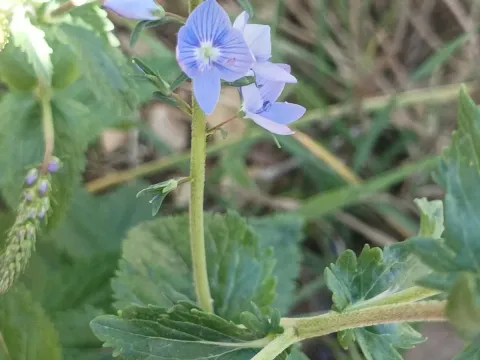
Veronica leiocarpa
Veronica leiocarpa
Veronica leiocarpa belongs to the Plantaginaceae family and is recognized as a perennial herbaceous plant. Its botanical structure is adapted to competitive environments, making it a subject of interest for various ecological and limited agricultural applications where hardy ground cover is required.
What the section contains
Veronica leiocarpa
When planning the sowing of this species, it is essential to ensure that the soil is sufficiently prepared and free from competing weeds. Planting usually takes place when environmental conditions stabilize, allowing for uniform germination and early establishment of the root system during the first growing season.
The crop thrives in well-drained, nutrient-rich soils that maintain a consistent moisture level without becoming waterlogged. While it is adaptable to different soil types, the ideal pH range for optimal growth is slightly acidic to neutral, which ensures the best availability of soil nutrients.
Climatic requirements for Veronica leiocarpa center on moderate sunlight exposure and protection from extreme temperature fluctuations. The plant exhibits resilience in various temperate zones, though it performs best when provided with consistent light and sufficient moisture during its flowering stage.
Effective agronomic management requires regular monitoring of soil nutrition and moisture levels. Utilizing organic mulch can help retain moisture in the root zone while preventing the growth of invasive species that might compete with the crop for light and space.
Common plant diseases affecting this species include fungal leaf spots and mildew, which often develop under high humidity. Maintaining proper spacing between plants is a critical preventive measure to ensure airflow and reduce the chances of rapid disease transmission across the field.
Insect pests such as aphids or leaf-feeding beetles can occasionally cause economic damage to the crop. Integrated pest management, focusing on early detection and the use of environment-friendly deterrents, is recommended to keep the population of these pests below the threshold level.