
Veronica lewisii
Veronica lewisii
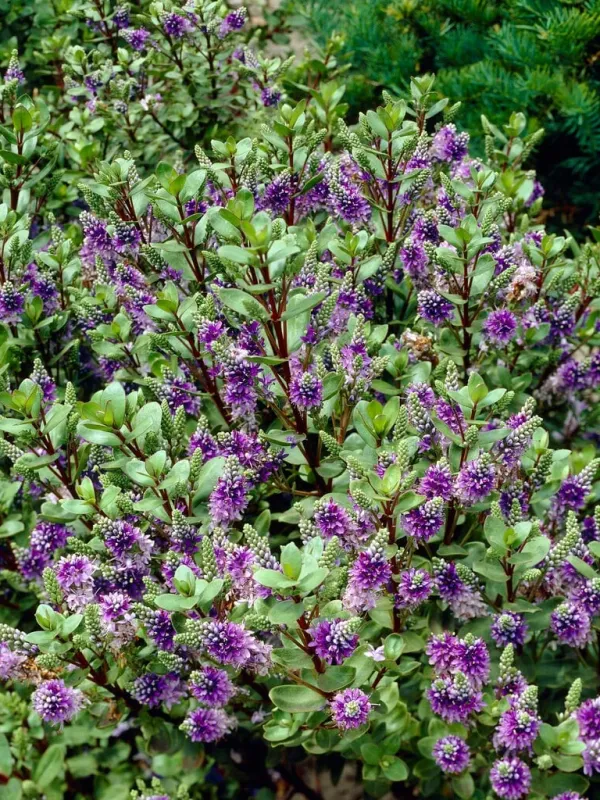
Description
Sowing dates
Sowing Veronica lewisii seeds requires a prepared, well-draining seedbed, ideally in the early spring once the threat of heavy frost has passed to ensure consistent germination.
The seeds are small and should be sown on the surface of a fine-textured growing medium, pressed lightly into the soil to maintain adequate contact while ensuring light availability for germination.
For controlled environments, starting seeds in seedling trays indoors about six to eight weeks before the last frost date allows for stronger establishment before transplanting into the field.
Spacing is essential for the healthy development of this crop, and plants should be positioned roughly 30 to 45 centimeters apart to maximize airflow and minimize disease outbreaks.
A consistent, moderate moisture level must be maintained during the initial germination phase to support the delicate root systems of the emerging seedlings as they begin to establish.
Growing requirements
Veronica lewisii thrives in full sun conditions, which are necessary to promote vigorous stem growth and the production of a high volume of flowers throughout the growing season.
Soil requirements include well-drained, fertile soil, ideally with a neutral pH, as the plant is highly sensitive to waterlogged conditions that can damage the crown and root system.
Watering practices should focus on maintaining a steady moisture level without over-saturating the soil, especially during periods of extreme summer heat or dry weather conditions.
Applying a balanced, slow-release fertilizer early in the spring helps provide the essential nutrients required for strong vegetative development and prolonged floral display.
Regular maintenance of the planting site includes removing competing weeds that may shade the young plants or restrict nutrient uptake, ensuring optimal growth conditions for the crop.
Main diseases and pests
Common pathological threats include fungal infections such as powdery mildew, which can spread rapidly in humid, poorly ventilated areas where air circulation is restricted.
Root rot remains a significant concern, typically caused by improper drainage or excessive irrigation, necessitating the use of raised beds or improved drainage systems in heavy soils.
Insect pests, including aphids and leaf-chewing caterpillars, can cause localized damage to foliage and flower buds, potentially affecting the plant's overall aesthetic and vitality.
Integrated pest management strategies should be employed, prioritizing manual removal of pests and the application of organic horticultural oils or soaps whenever an infestation is detected.
Monitoring for symptoms of stress, such as yellowing leaves or stunted growth, is vital for early detection and mitigation of potential threats before they impact the entire crop.
Harvesting
Harvesting flower stems for decorative or medicinal purposes should ideally occur during the morning, once the dew has dried but before the sun reaches its peak intensity.
For dried floral arrangements, cut the stems when the flowers are partially open, bundling them loosely and hanging them upside down in a dark, airy location for optimal color preservation.
Deadheading spent blooms throughout the growing season encourages the plant to direct energy back into root development and may promote a second, albeit lighter, flush of flowering.
Late autumn management involves cutting back the stems to within a few centimeters of the ground, which cleans up the plant and helps prepare it for the dormant winter period.
Winter protection, such as applying a light layer of organic mulch, is recommended in colder climates to insulate the crown and protect the plant from freezing and thawing cycles.