
Veronica hookeri
Veronica hookeri
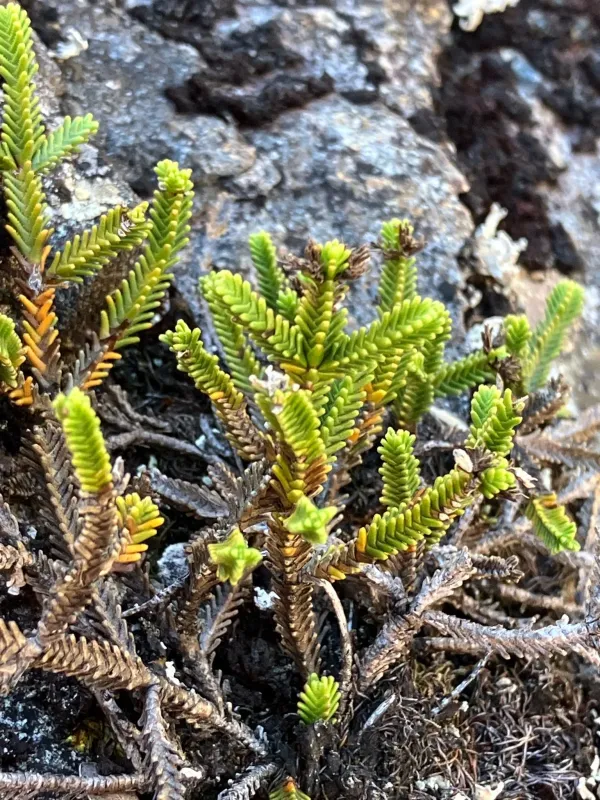
Description
Growing requirements
Veronica hookeri is a low-growing perennial species belonging to the Plantaginaceae family. It is recognized for its unique alpine characteristics, adapted to the specific conditions of high-altitude mountainous environments where it originates.
The plant thrives in gritty, well-draining soil that mimics its native rocky habitat. It is highly intolerant of waterlogged conditions, making the inclusion of coarse sand or small gravel in the soil medium essential for successful cultivation.
Sunlight exposure is a critical factor for Veronica hookeri, as it requires bright, direct light to maintain its dense, compact growth habit. Positioning it in full sun ensures better flowering density and overall plant vigor throughout the season.
Climate adaptability is one of the strengths of this species, as it is naturally resistant to cold temperatures and frost. It prefers cool, airy environments and performs best in regions where summer heat is not excessively humid or prolonged.
Maintenance involves providing adequate moisture during dry spells, taking care to water the base of the plant rather than the foliage. Periodic pruning of faded inflorescences helps to promote a tidier appearance and may encourage secondary blooming.
Main diseases and pests
Root rot remains the most significant threat to the health of Veronica hookeri. This condition is primarily induced by poor soil drainage and excessive moisture, which allows pathogenic fungi to attack the vulnerable root system.
Powdery mildew can affect the foliage during periods of high humidity and stagnant air. Keeping the plant in an area with good air circulation is the most effective preventative measure against this common fungal issue.
Aphids are frequent pests that congregate on the flower spikes and young shoots. Their feeding can cause curling of leaves and stunted flower development, often requiring targeted treatment with appropriate horticultural oils or insecticides.
Soil-borne nematodes are less common but can cause significant distress by impairing the plant's ability to take up nutrients. Crop rotation and using sterile soil mixtures are recommended practices to mitigate these risks in managed gardens.
Gastropods, such as slugs and snails, are particularly attracted to the soft, succulent foliage of Veronica hookeri. Protective barriers, such as copper tape or crushed eggshells, are commonly used to deter these pests from reaching the plants.