
Veronica hulkeana
Veronica hulkeana
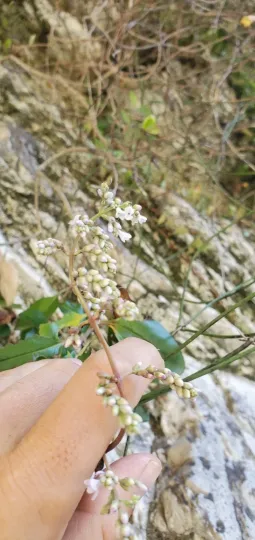
Description
Growing requirements
Veronica hulkeana, commonly known as the New Zealand lilac, is an attractive evergreen subshrub belonging to the Plantaginaceae family, prized for its delicate sprays of flowers.
Native to the South Island of New Zealand, this plant has adapted to rocky and steep environments, which dictates its preference for well-drained and gritty soil conditions.
The plant thrives in full sun but requires protection from severe frosts and strong, cold winds, which can cause significant damage to its woody stems during winter.
Cultivation success relies heavily on soil structure; it must be lean and highly permeable to prevent any moisture buildup around the sensitive root system.
In terms of moisture management, Veronica hulkeana prefers a dry to moderate watering regime, making it an excellent candidate for xeriscaping or rock gardens in appropriate climates.
Main diseases and pests
Fungal pathogens are the primary threats to Veronica hulkeana, often manifesting as root rots when the soil remains too wet for extended periods of time.
Powdery mildew can occasionally affect the foliage if there is poor air circulation, especially in humid or confined environments where the leaves remain damp.
Aphids are the most common pests that target the soft, emerging growth in the spring, which can stunt the overall development of the flower spikes.
Spider mites are also known to infest the plant during hot and dry summer months, leading to leaf discoloration and a general decline in the plant's health.
Proactive maintenance includes ensuring adequate spacing between plants, monitoring for early signs of infestation, and applying appropriate pest control treatments when necessary.