
Veronica lavaudiana
Veronica lavaudiana
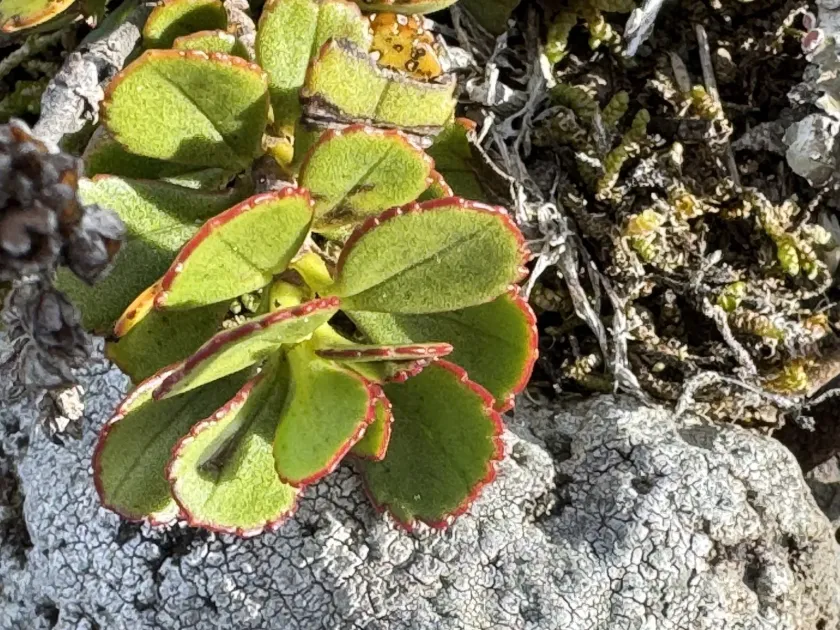
Description
Growing requirements
Veronica lavaudiana is a distinct species belonging to the Plantaginaceae family. Native to New Zealand, this evergreen perennial is highly valued in horticulture for its ornamental foliage and creeping growth habit, making it an excellent choice for rockeries.
The plant features distinctively serrated leaves that often develop a reddish margin, adding to its visual appeal throughout the growing season. It remains low to the ground, forming dense mats of foliage that contrast well with stone landscapes.
Success in growing this species depends heavily on soil drainage. It naturally inhabits rocky substrates and thrives when provided with a loose, gritty, or sandy medium that prevents water retention around the root system.
Light requirements involve bright, indirect light or full sun in temperate zones. In regions with intense summer heat, protecting the plant from the scorching afternoon sun is necessary to prevent leaf scorch and stress.
Maintenance is minimal but essential; it requires infrequent watering, allowing the soil to dry out between applications. Proper spacing is needed to ensure adequate airflow, which is critical for the plant's long-term health.
Main diseases and pests
The most significant threat to Veronica lavaudiana is fungal disease, particularly root rot caused by waterlogged soil. Ensuring a perfect drainage system is the primary preventative measure against these pathogens.
Powdery mildew can occur during periods of high humidity and stagnant air. Keeping the plant in an open, airy location and avoiding overhead irrigation helps to mitigate the risk of fungal outbreaks.
Pests such as aphids and spider mites can occasionally affect the plant during dry spells. Regular inspection is recommended, and if pests are present, mild insecticidal soap can be used for treatment.
Winter damage is often linked to excessive moisture rather than cold temperatures alone. Providing a layer of dry, coarse grit around the base of the plant can help protect the stem from rot during the wet winter months.
Early identification of diseased foliage is crucial for maintaining plant vigor. Pruning away damaged or necrotic leaves immediately helps to limit the spread of infections to healthy parts of the plant.