
Veronica lyallii
Veronica lyallii
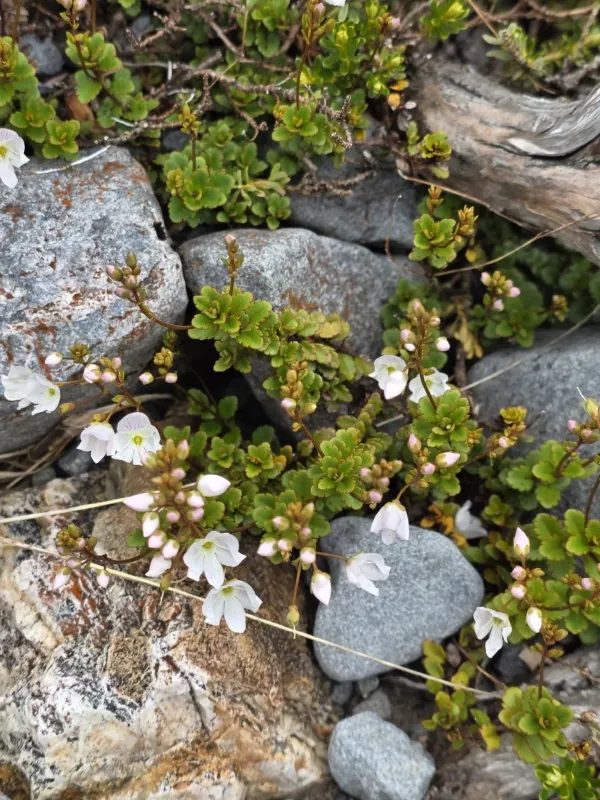
Description
Growing requirements
Veronica lyallii is a perennial herbaceous plant belonging to the Plantaginaceae family. It is native to the alpine regions of New Zealand, which defines its preference for cooler climates and well-aerated environments.
The culture requires fertile, well-draining soil to thrive. It is highly sensitive to waterlogged conditions, making proper soil drainage a critical factor for successful establishment in garden beds or alpine rockeries.
Regarding climatic requirements, the plant prefers sunny spots but appreciates partial shade in regions with intense afternoon heat. Adequate moisture levels should be maintained consistently without causing root stress due to excessive standing water.
Cultivation practices involve seasonal mulching to maintain soil moisture and cool temperatures for the root system. Periodic application of balanced fertilizers during the active growing season supports the development of robust foliage and flowers.
The primary horticultural use of Veronica lyallii is as a decorative ground cover. Its low-growing, spreading habit makes it an excellent candidate for rock gardens, path edges, and containers where ornamental value is required.
Main diseases and pests
The most common health issues for this species include fungal diseases such as powdery mildew and root rot. These are primarily caused by poor ventilation and high humidity, which can be mitigated by careful site selection and proper spacing.
Sanitation is a key component of pest and disease control. Removing any dead or yellowing foliage ensures that the plant remains vigorous and reduces the likelihood of spreading fungal spores to healthy parts.
Insects like aphids and spider mites may occasionally infest the plants, particularly during dry spells. Monitoring for these pests is essential to prevent significant damage to the plant's delicate floral displays and leaves.
Integrated pest management strategies should be applied if an infestation occurs. Using insecticidal soaps or horticultural oils is often sufficient to control minor outbreaks while minimizing the chemical impact on the environment.
Overall, keeping the plant healthy requires a balance of proper irrigation and good cultural practices. Providing optimal growing conditions acts as the first line of defense against the majority of common horticultural threats.