
Veronica insularis
Veronica insularis
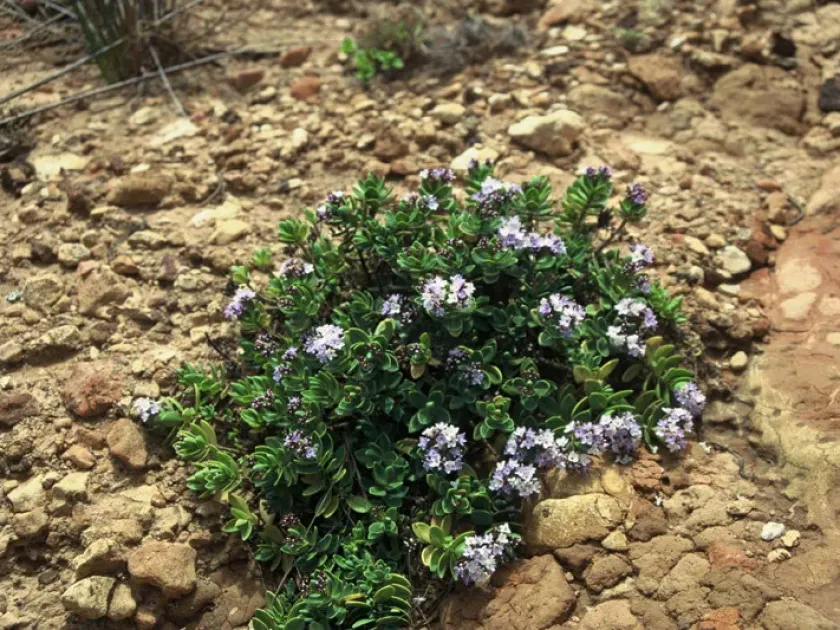
Description
Sowing dates
Veronica insularis belongs to the Plantaginaceae family and is recognized for its unique adaptation to island environments. It is primarily managed in conservatory settings or botanical collections rather than field production.
Sowing requires precise timing, preferably in early spring, to align with the species' natural vegetative cycle. Seeds are small and require surface sowing to ensure sufficient light exposure.
The growing medium should consist of a well-balanced mixture of peat and perlite to maintain optimal aeration. Consistent moisture levels are critical for successful germination.
Stratification of seeds for several weeks at lower temperatures can significantly improve germination rates, mirroring the environmental cues of its native habitat.
Once seedlings emerge, they should be transitioned to a stable environment with moderate humidity levels to prevent developmental stress.
Growing requirements
This species thrives in well-drained soils with a slightly acidic to neutral pH. Proper soil structure is essential to prevent root asphyxiation caused by excessive water retention.
The plant requires high levels of light intensity to maintain its compact growth habit. In indoor conditions, supplementary LED lighting is often necessary to achieve optimal health.
Climatic conditions should favor mild temperatures, as the plant is highly sensitive to extreme heat and cold fluctuations common in non-maritime environments.
Nutrient management focuses on balanced NPK applications, with an emphasis on potassium to strengthen the cell walls and enhance overall plant resilience.
Wind protection is essential for Veronica insularis, especially when cultivated in exposed locations, as the plant structure is not adapted to high mechanical stress.
Main diseases and pests
The primary threats include fungal diseases such as gray mold and root rot, often triggered by poor ventilation and high humidity levels in the growing area.
Early detection of pathogen activity is crucial for disease control; thinning of the canopy is recommended to improve airflow and reduce fungal transmission.
Pest pressures primarily include aphids and spider mites, which can proliferate rapidly if the climate becomes too warm or dry during the growing season.
Integrated pest management strategies, focusing on biological controls and environmental optimization, are preferred over broad-spectrum chemical interventions.
Sanitation practices, including the removal of debris and sterilization of containers, form the foundation of successful cultivation for this delicate botanical species.