
Veronica ligustrifolia
Veronica ligustrifolia
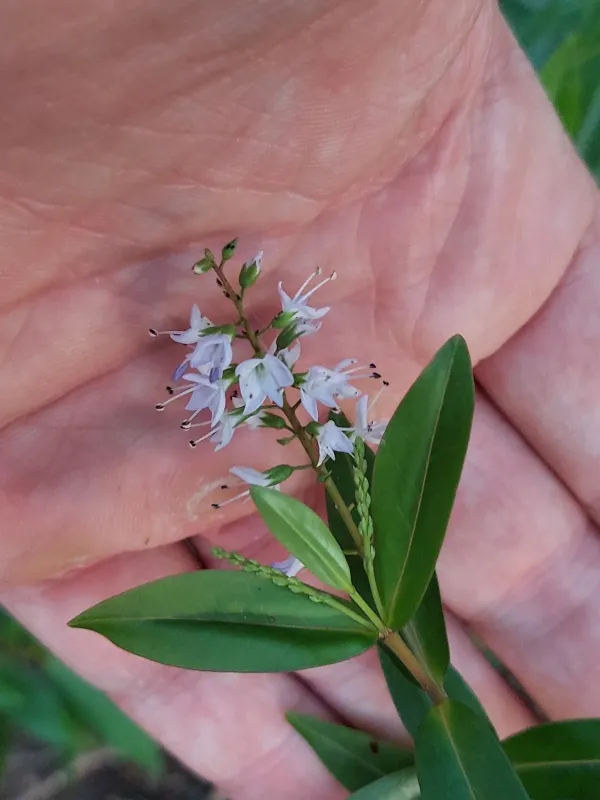
Description
Sowing dates
Veronica ligustrifolia, commonly known as privet-leaved speedwell, is a shrubby member of the Plantaginaceae family. In nursery production, this plant is primarily propagated through stem cuttings taken during the active growth phase in late spring or summer.
Seed propagation requires a cold stratification period to break dormancy. Sowing is typically performed in late winter in a greenhouse or controlled environment using a well-draining peat-based substrate.
Seedlings should be pricked out into individual containers once they develop their first set of true leaves. This ensures that root systems establish effectively before the plants are transferred to larger containers or garden beds.
Spacing is critical when establishing a garden bed; plants should be placed at least 40 cm apart to prevent overcrowding and ensure adequate airflow, which is vital for the health of this species.
Initial establishment requires consistent moisture. Once the root system is well-developed, the plant becomes more resilient and requires less frequent irrigation.
Growing requirements
Native to New Zealand, Veronica ligustrifolia thrives in temperate climates. It prefers a sunny position but can tolerate light, dappled shade, especially in areas with very hot summer afternoons.
The plant requires fertile, well-draining soil to prevent root rot. It performs poorly in heavy clay soils that retain excessive moisture during the winter months.
While relatively hardy, it appreciates protection from severe frost and biting winds. In colder hardiness zones, providing a winter mulch around the base and covering the foliage is recommended.
Moderate watering is essential. The plant is drought-tolerant once established, but regular watering during the flowering period will significantly improve the duration and intensity of the blooms.
Nutritional needs are modest. A balanced slow-release fertilizer applied in early spring is generally sufficient to sustain vigorous growth and promote health throughout the season.
Main diseases and pests
Powdery mildew is the most common fungal issue for Veronica ligustrifolia, particularly in environments with poor ventilation or high humidity levels during the summer months.
Aphids and spider mites are the primary pests that can attack the succulent new growth of the plant. Monitoring the underside of leaves for early signs of infestation is crucial for effective control.
Root rot, caused by various species of Phytophthora, can occur if the soil remains waterlogged. Proper drainage is the best preventative measure against this persistent problem.
Effective pest management involves using insecticidal soaps for mild infestations and systemic pesticides for more severe outbreaks, always following the label directions.
Sanitation is a vital part of disease prevention. Removing dead or infected foliage and maintaining a clean planting area helps prevent the spread of fungal spores and keeps the shrubs in top condition.