
Veronica haastii
Veronica haastii
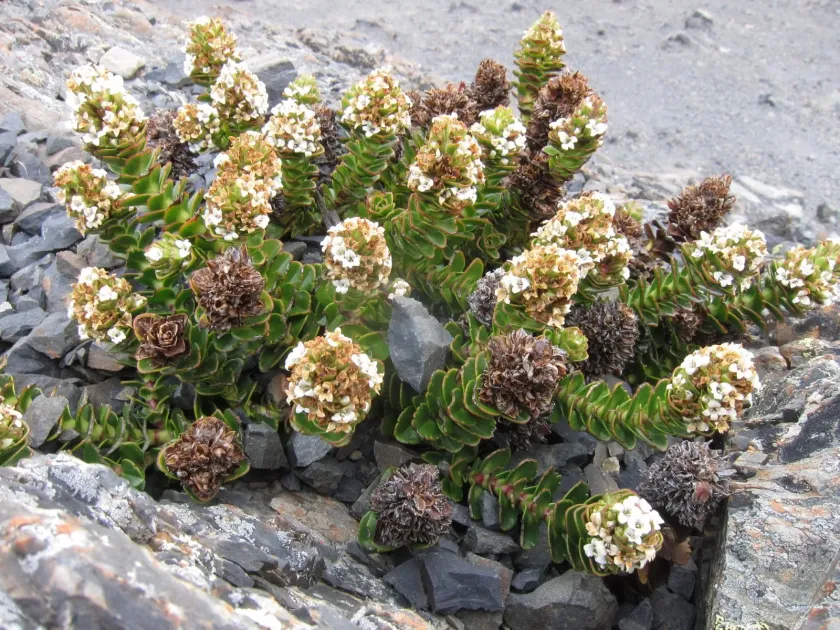
Description
Growing requirements
Veronica haastii is a distinctive perennial plant belonging to the Plantaginaceae family. It is native to the alpine and subalpine zones of New Zealand, where it is found in harsh, high-altitude rocky environments and scree slopes.
Botanically, this species is well-adapted to extreme conditions, featuring a compact cushion or prostrate habit. This structure allows the plant to mitigate the impact of cold winds and maintain a stable internal temperature.
For successful cultivation, a specialized substrate is required. The soil must be exceptionally well-drained, consisting primarily of fine grit, stone chips, and a minimal amount of organic material to prevent root rot.
Sunlight requirements are demanding; Veronica haastii needs full sun to maintain its dense, cushion-like form. Any deficiency in light will cause the plant to etiolate and lose its natural alpine characteristic appearance.
The climate requirements include high light intensity, clean air, and a well-ventilated position. While it is hardy in its native habitat, providing adequate winter protection against excessive wetness is vital for survival in standard garden settings.
Main diseases and pests
Root rot is the primary threat to the health of Veronica haastii. It is usually caused by excessive soil moisture and poor drainage, which creates an anaerobic environment fatal to its sensitive root system.
Spider mites are a common pest during warmer months, thriving in dry conditions. They damage the leaves by piercing plant tissues, which can significantly reduce the vitality of the plant if left untreated.
Fungal pathogens such as powdery mildew can affect the foliage if the plant is grown in areas with high humidity and stagnant air. Good airflow is essential to keep the leaves dry and disease-free.
Soil-dwelling larvae can sometimes target the roots, leading to sudden wilting. Routine monitoring of the plant base for any signs of physical damage or decline is highly recommended for amateur gardeners.
The key to effective disease control is prevention through proper placement. Placing the plant in a raised bed or a rock garden with optimal drainage effectively eliminates the most common causes of physiological stress and subsequent infections.