
Veronica hybrids
Veronica hybrids
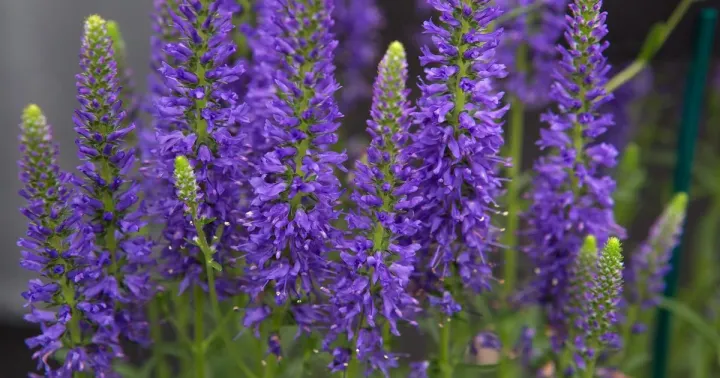
Description
Growing requirements
Veronica hybrids belong to the Plantaginaceae family and represent a diverse group of perennial plants created through deliberate breeding. These cultivars are highly valued for their compact growth habit, vivid floral spikes, and ability to thrive in various garden environments.
The plant requires full sun exposure and well-draining soil to perform at its best. It thrives in loamy to sandy soil types with moderate fertility. Improving soil aeration is essential, as waterlogged conditions during the winter months can cause root rot and reduce the plant's longevity.
Regarding climate, Veronica hybrids are remarkably hardy. They perform well in temperate zones, demonstrating tolerance to both summer heat and winter cold. Consistent moisture during the peak growing season is necessary, although the plants possess a moderate tolerance to occasional dry spells.
Standard horticultural practices for this crop include light mulching to retain soil moisture and prevent weed growth. Pruning spent flower stalks after the first wave of bloom often encourages a second flush of flowers, extending the plant's ornamental season significantly.
In terms of usage, these plants are staples in herbaceous borders, rock gardens, and mass plantings. They serve as excellent nectar sources, attracting pollinators such as bees and butterflies, which enhances the overall biodiversity of the cultivated landscape.
Main diseases and pests
Veronica hybrids are susceptible to fungal diseases such as powdery mildew, especially when humidity levels are high and air circulation is insufficient within the plant cluster.
Pests such as aphids and thrips can cause damage to the foliage and developing buds. Regular inspection of the undersides of the leaves is advised to catch early infestations before they spread significantly.
Implementing proper spacing between individual plants is the most effective cultural control method to reduce the humidity around the canopy and minimize the risk of fungal outbreaks.
If chemical intervention is required, fungicides and contact insecticides should be applied carefully, ensuring full coverage while following all manufacturer safety guidelines for the environment.
Maintaining high hygiene standards in the garden, including the removal of infected plant debris at the end of the season, is crucial for preventing the overwintering of pathogens.