
Veronica macrantha
Veronica macrantha
Description
Growing requirements
Veronica macrantha, known as the large-flowered veronica, is a perennial herbaceous plant belonging to the Plantaginaceae family. It is endemic to New Zealand, specifically thriving in alpine and subalpine environments.
This species requires specific environmental conditions to perform well in gardens. It prefers cool, temperate climates and performs best in locations that provide partial shade, particularly protecting the plant from harsh afternoon sunlight.
Soil requirements are centered on excellent drainage and fertility. The plant does not tolerate waterlogged soil, which often leads to root rot. Gardeners should incorporate organic matter and grit or pumice to ensure the medium remains light and aerated.
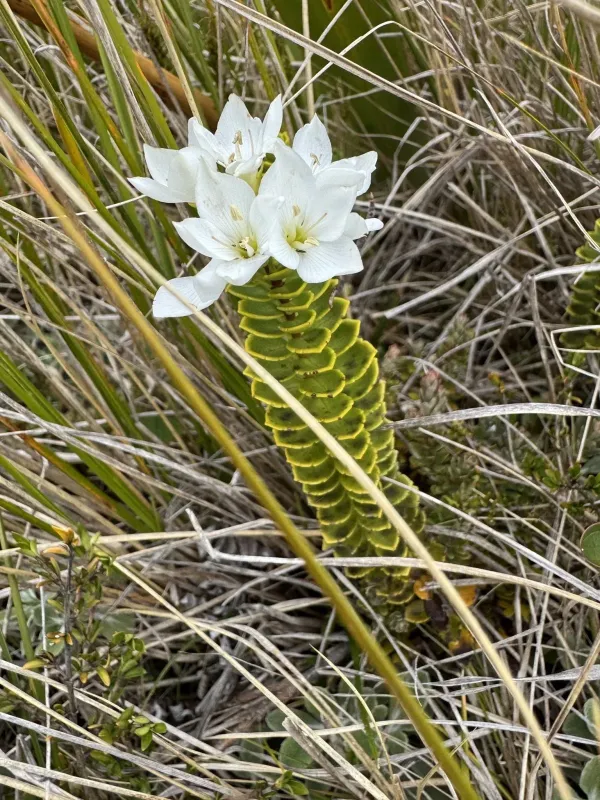
Botanically, it is distinguished by its leathery, serrated leaves and large, white, cup-shaped flowers that appear in late spring and early summer. It is a compact grower, typically reaching heights that make it suitable for small-scale landscaping.
In terms of usage, this plant is primarily valued as an ornamental specimen in rock gardens, scree beds, and alpine troughs. Its unique appearance and white floral display provide contrast against green foliage in cool-climate landscapes.
Main diseases and pests
The main threats to Veronica macrantha are related to moisture levels. Root rot is the most common issue, usually resulting from poor soil drainage or excessive watering during dormant periods.
Powdery mildew can affect the foliage if air circulation is poor. To mitigate this risk, it is essential to provide adequate spacing between plants and avoid overhead watering that keeps the leaves damp for extended periods.
Slugs and snails are frequent pests, especially in moist or shaded garden areas. These pests can rapidly damage the leaves, so monitoring and installing physical barriers or organic baits during the growth season is recommended.
Aphids may occasionally infest the developing flower spikes, sucking sap and causing deformation. Using insecticidal soaps or neem oil is usually effective if an infestation occurs in the early stages.
Maintaining plant health involves monitoring for signs of stress, ensuring adequate drainage, and performing regular sanitation by removing dead foliage or wilted flower stems to keep the environment clean.