
Veronica leiophylla
Veronica leiophylla
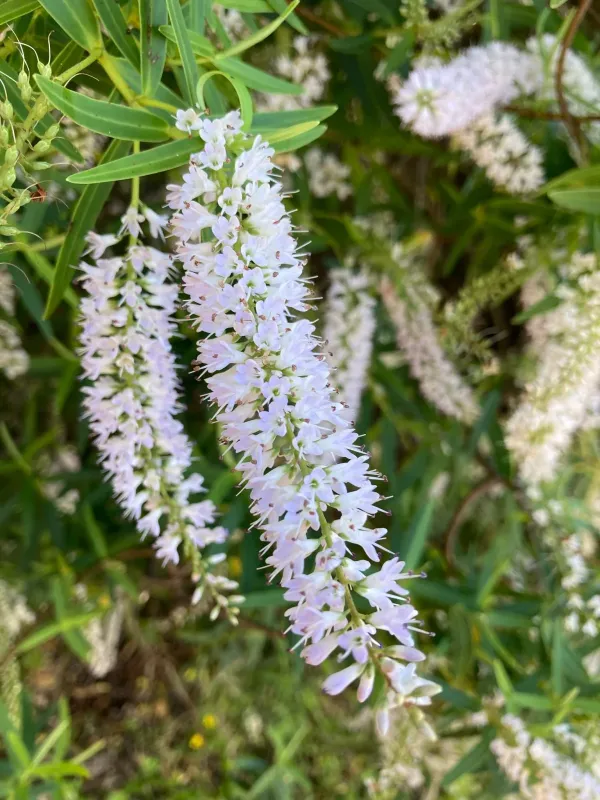
Description
Growing requirements
Veronica leiophylla is a perennial plant species belonging to the Plantaginaceae family. It is native to the temperate regions of New Zealand, exhibiting specific adaptations to its natural environment.
The plant thrives in well-drained, nutrient-rich soils. For successful commercial or garden cultivation, it is essential to ensure the soil remains moist but not waterlogged, as the species is susceptible to root decay under anaerobic conditions.
Sunlight exposure is a critical factor; while Veronica leiophylla can tolerate partial shade, full sunlight promotes denser foliage and healthier plant development throughout the growing season.
Temperature requirements are moderate, with the plant showing optimal growth rates in the range of 15°C to 22°C. Adequate air circulation is necessary to maintain overall plant health and prevent micro-climate stagnation.
Fertilization regimes should prioritize balanced NPK ratios to support both vegetative growth and root stability. Organic matter incorporation is recommended prior to planting to improve soil structure and water retention capabilities.
Main diseases and pests
Powdery mildew is the most common fungal infection affecting this species, particularly when plants are grown in conditions with poor airflow and high humidity levels.
Root rot, often caused by Phytophthora or Pythium species, poses a significant threat if irrigation practices lead to prolonged soil saturation. Proper drainage is the primary defense strategy.
Aphids are the most frequent insect pests, clustering on the undersides of leaves and at the growing tips of shoots, which may stunt development and reduce overall plant vigor.
Spider mites can become problematic during hot, dry weather spells, causing chlorotic spots on foliage. Regular scouting and moisture management help mitigate these occurrences.
Effective pest and disease management relies on early detection and the use of targeted systemic treatments combined with cultural practices such as pruning affected parts and maintaining proper plant spacing.