
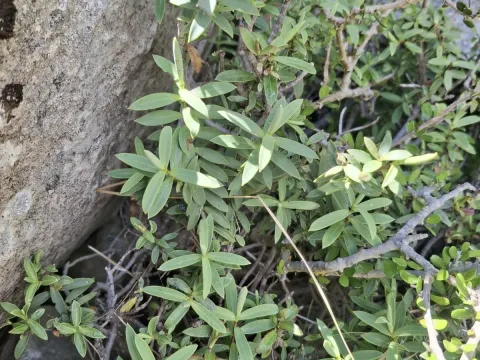
Glaucous-leaved speedwell
Veronica glaucophylla
Sowing seeds of Veronica glaucophylla is typically done in the early spring using seed trays or starter pots. It is crucial to keep the seeds on the surface, as they require light exposure for successful germination.
What the section contains
Glaucous-leaved speedwell
Stratification is a recommended step to improve germination rates; seeds should be placed in a cold environment for 3–4 weeks prior to planting. Once the cold treatment is finished, move them to a warm location with steady light.
Transplanting seedlings to their permanent garden spot should happen only after the danger of night frost has passed. Young plants are sensitive to sudden temperature drops and need to be hardened off gradually.
The optimal planting density allows for about 20 to 30 centimeters between individual plants. This spacing promotes good air circulation, which is vital for preventing humidity-related issues in the foliage.
Propagation through cuttings is considered more efficient for maintaining the specific features of the plant. Softwood cuttings taken in mid-summer root reliably in a mixture of peat and perlite under high humidity.
Veronica glaucophylla belongs to the Plantaginaceae family and is highly valued for its striking, blue-tinted foliage. This perennial thrives best in temperate climates, requiring full sun exposure to maintain its distinct coloration.
The ideal soil for this species is well-drained, slightly gritty, and moderately fertile. The plant struggles in waterlogged soil, which can rapidly lead to root rot; thus, high-quality drainage is an absolute requirement.
Watering should be consistent but moderate. During peak summer heat, deep watering once or twice a week is preferable to frequent, light sprinkles, as it encourages deep and resilient root system development.
This plant is reasonably hardy but appreciates a layer of mulch during the winter in colder zones to protect the crown from fluctuating temperatures. Winter protection should be removed as soon as spring growth begins.
Regular maintenance involves light pruning after flowering. By removing the spent spikes, gardeners encourage the plant to produce new, fresh leaves, keeping the clump compact and visually appealing throughout the growing season.
Fungal issues, such as powdery mildew, are the most common threats to Veronica glaucophylla when air circulation is poor. These conditions are more frequent during late summer when humidity levels spike.
If mildew appears, apply a fungicidal soap or a systemic fungicide to treat the foliage. Improving airflow around the plant by pruning back surrounding vegetation is a necessary cultural control method.
Aphids can occasionally cluster on tender new shoots, draining the plant's vitality. Regular inspection of the plant tips is recommended so that you can wash off any early infestations with a strong jet of water.
Root rot caused by Phytophthora species may occur if the soil remains constantly saturated. The primary strategy for avoiding this is to ensure the site is properly sloped or amended with mineral drainage material.
Slugs and snails can cause significant damage to the low-lying foliage during wet seasons. Using non-toxic pellets or physical barriers like copper tape can help protect the plants from these mollusks.