
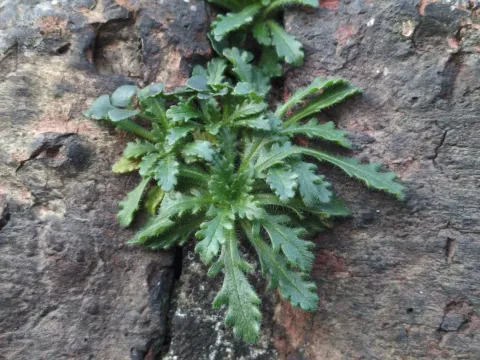
Erinus
Erinus
Sowing Erinus seeds is typically performed in early spring, specifically during March or April. As the seeds are very fine, they should be sown on the surface of a moist, sterile starting mix and left uncovered, as they require light to germinate.
What the section contains

Erinus
The containers must be kept in a bright location with temperatures consistently between 18 and 20 degrees Celsius. Maintaining high humidity with a plastic cover is essential, provided that the tray is ventilated daily to prevent damping-off diseases.
Seedlings are pricked out into individual pots once they develop their first true leaves. Because Erinus is a slow-growing member of the Plantaginaceae family, gentle handling is crucial during the early stages of development to avoid damaging the root system.
Hardening off the plants before transplanting is a necessary step. Gradually expose the young plants to outdoor temperatures for two weeks prior to setting them into their final locations in late spring, once the threat of frost has passed.
The optimal layout for planting is in small clumps spaced approximately 15 to 20 centimeters apart. This spacing allows for proper air circulation while enabling the plants to form a dense, uniform mat during the flowering season.
The culture thrives in well-drained, lime-rich soil with a neutral to slightly alkaline pH. Proper drainage is the most critical factor for success, as Erinus is highly susceptible to root damage in heavy, waterlogged clay soils.
An ideal environment for this species is a location that receives full sun or very light shade. High-mountain origins dictate a preference for cool, airy conditions rather than hot, humid environments, which may stress the plants.
Watering requirements are moderate; the soil should be kept consistently moist but never soggy. During dry periods, water should be applied directly to the base of the plant to keep the foliage dry, reducing the risk of fungal infections.
Basic maintenance includes applying a layer of fine gravel around the base of each plant. This simple mulch mimics the natural scree habitat, keeps the crown of the plant dry, and prevents soil splash during heavy rains.
Fertilization should be handled with care. A light application of a balanced, slow-release fertilizer in early spring is generally sufficient. Avoid excessive nitrogen, which promotes lush foliage at the expense of floral production.
Root rot is the primary physiological threat to Erinus, almost always caused by poor soil drainage. When plants begin to yellow or wilt unexpectedly, it is usually a sign of excess moisture trapped around the roots.
Fungal pathogens such as powdery mildew can affect the foliage in areas with poor air circulation. To manage this, ensure plants are spaced correctly and remove any debris around the base of the plants to allow better airflow.
Slugs and snails are the most problematic pests, particularly during wet seasons. These mollusks can consume entire seedlings overnight, so using physical barriers or organic bait is a recommended protective measure.
Aphid infestations may occasionally occur on the tender stems during the growing season. If spotted, a gentle stream of water or an application of insecticidal soap is typically sufficient to eliminate these small pests without harming the plant.
Regular monitoring of the garden bed is essential for long-term health. Detecting issues early, combined with proper soil management, is the most effective strategy for preventing the spread of diseases within the Erinus collection.