
Flesh-coloured speedwell
Veronica fruticulosa
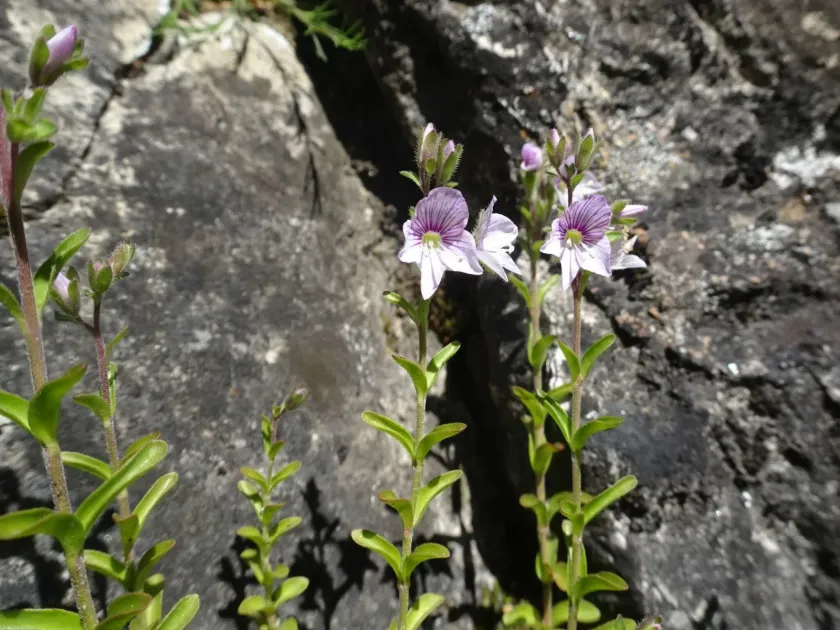
Description
Growing requirements
Veronica fruticulosa, commonly known as flesh-coloured speedwell, is a perennial flowering plant belonging to the Plantaginaceae family. It is native to the high mountain ranges of Europe, particularly the Alps and the Pyrenees.
This species is highly adapted to alpine conditions, preferring full sun exposure and well-drained, rocky or sandy soil types. It is renowned for its hardiness and ability to thrive in challenging climates with significant temperature fluctuations.
For cultivation, it is essential to provide excellent drainage to prevent root rot. Growing this plant in heavy, water-retentive clay soils is not recommended unless they are heavily amended with grit or gravel to simulate its native habitat.
In landscaping, it is used as an ornamental ground cover in rockeries and stone gardens. Its habit of forming low, woody-based tufts makes it an ideal choice for filling crevices and creating naturalistic alpine meadows.
The botanical characteristics include narrow, evergreen-like leaves and delicate pink or whitish flowers. This plant adds aesthetic value to the garden, especially during its blooming period, while maintaining a tidy appearance throughout the year.
Main diseases and pests
The primary threat to Veronica fruticulosa is excessive soil moisture. Poor drainage during wet seasons frequently causes crown and root rot, which are often fatal to the plant if not addressed immediately.
Powdery mildew represents a common fungal issue, particularly in humid or stagnant air environments. Providing sufficient spacing between plants is the most effective cultural method to mitigate this risk.
Aphids can occasionally infest young shoots during the spring growth phase. While generally not lethal, they can weaken the plant and reduce its flowering potential if left unchecked for an extended period.
Care must be taken to remove surrounding weeds, as competition for light and nutrients can significantly hinder the slow-growing nature of this alpine species in a non-native garden setting.
Integrated pest management, including regular visual inspections and maintaining soil hygiene, is the best strategy for ensuring a healthy and productive display in ornamental plantings.