
Globularia
Globularia
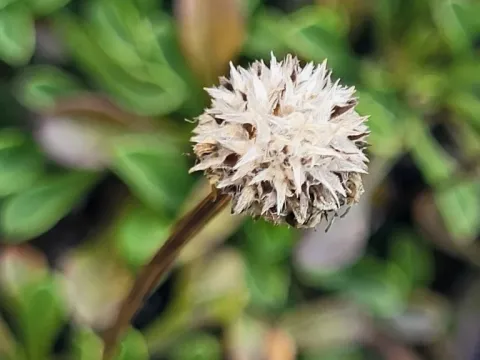
Globularia is a genus of perennial herbs and subshrubs belonging to the Plantaginaceae family. Native to the Mediterranean region and parts of Europe, these plants are known for their distinct globe-shaped flower heads.
What the section contains


Globularia
To cultivate Globularia successfully, one must provide well-drained, alkaline or neutral soils. The plant thrives in sunny, open locations where it can receive direct sunlight for the majority of the day, mimicking its natural rocky habitat.
Soil structure is critical for this species. Adding grit, sand, or limestone chippings to the soil mix helps prevent waterlogging, which is the primary cause of plant failure, especially during winter months when dormant roots are sensitive.
The plant demonstrates high drought tolerance once established. It is an excellent choice for rock gardens, xeriscaping, or as a groundcover in low-fertility soils where other more demanding ornamental plants might struggle to survive.
Botanical features include evergreen or semi-evergreen leathery leaves arranged in rosettes. The aesthetic appeal of its intense blue or lilac-colored blooms makes it a highly sought-after plant for alpine garden collectors and professional landscapers.
Seeds can be sown in the spring or late autumn. They usually require a period of cold stratification to break dormancy. For container growing, use a gritty alpine mix to ensure proper moisture regulation from the start.
Common issues include root rot caused by poor soil drainage. Maintaining good air circulation is essential to prevent mildew and fungal outbreaks during humid periods, which can weaken the plant's health significantly.