
Gentian speedwell
Veronica gentianoides
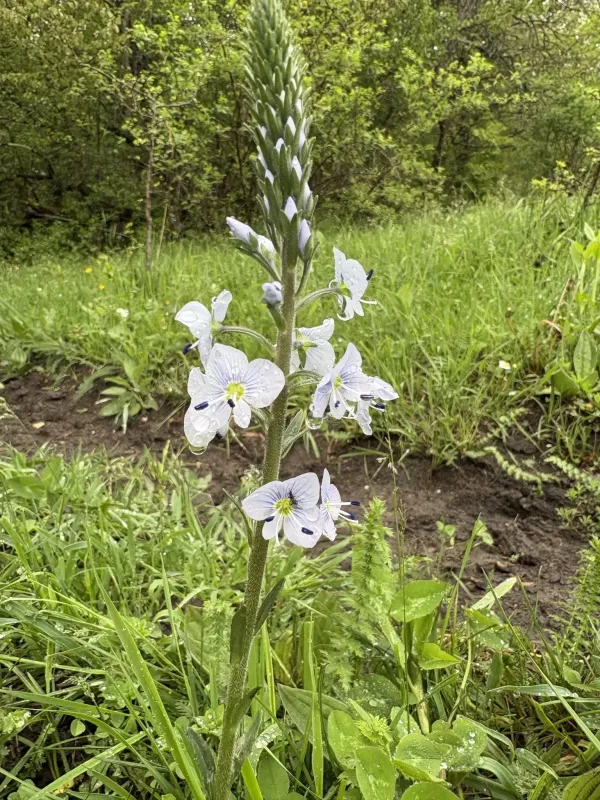
Description
Sowing dates
Sowing seeds of Veronica gentianoides is typically performed in late autumn to allow the seeds to undergo natural stratification during the winter months for optimal germination.
Indoor sowing can be initiated in early spring using seed trays, maintaining a consistent temperature and moisture level until the seedlings are ready for pricking out.
Transplanting seedlings to their permanent location in the garden should occur once the danger of frost has passed, ensuring they are spaced sufficiently apart for growth.
Division of established clumps is another reliable propagation method, ideally carried out in early spring or autumn to ensure quick re-establishment of the root system.
Young plants require careful attention to irrigation immediately after planting to establish a strong root system before the onset of the summer heat.
Growing requirements
Gentian speedwell is a perennial herbaceous plant from the Plantaginaceae family, native to the Caucasus region, known for its attractive glossy rosettes.
The plant thrives in well-drained, fertile soil with a neutral to slightly acidic pH, and it performs best in full sun to partial shade exposures.
While tolerant of various soil types, the species requires adequate moisture throughout the growing season but is intolerant of waterlogged conditions that can cause rot.
Hardiness is one of its key features, making it an excellent choice for temperate climates where it can endure cold winters without additional frost protection.
Regular maintenance includes removing faded flower spikes to maintain the plant's tidy appearance and applying a balanced fertilizer during early spring growth.
Main diseases and pests
This species is generally robust, but poor air circulation or high humidity can lead to fungal issues such as powdery mildew appearing on the foliage.
Root and crown rot are potential threats if the soil remains excessively wet; therefore, installing drainage systems or using raised beds is recommended in heavy soils.
Pests like aphids may occasionally colonize the soft tips of flower stalks, requiring manual removal or the application of mild horticultural soaps if infestations persist.
Caterpillars can cause visible damage to the leaves during the peak of summer, so monitoring the plants periodically is necessary for early intervention.
To minimize disease pressure, maintain good garden hygiene by clearing away dead leaves and debris from around the base of the plant during the dormant season.