
Globularia alypum
Globularia alypum
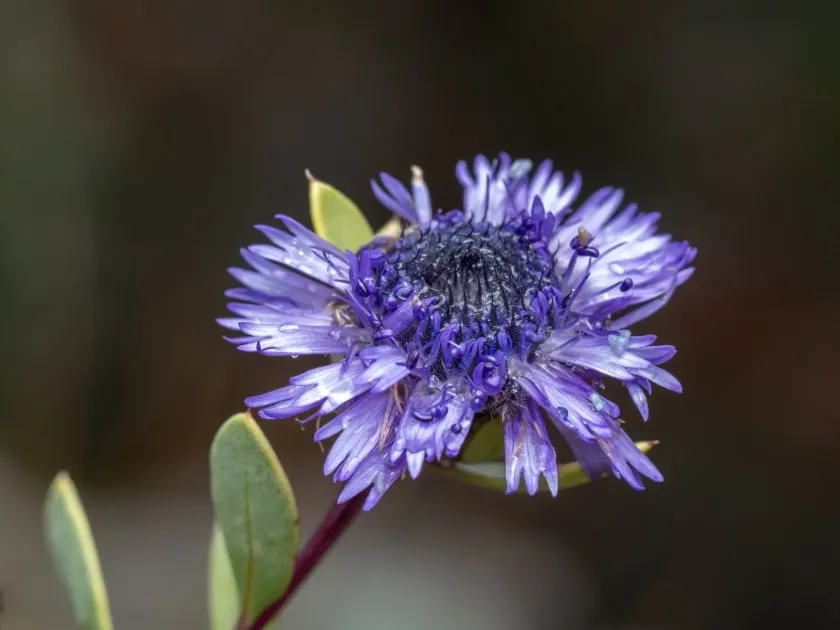
Description
Sowing dates
Globularia alypum is a perennial evergreen subshrub, so sowing is typically performed in the autumn or early spring. The seeds require a stratification period to simulate the natural Mediterranean climate conditions necessary for successful germination.
When sowing in open ground, it is essential to prepare the substrate thoroughly, ensuring excellent drainage to prevent moisture stagnation. Seeds should be sown at a depth of no more than 0.5–1 cm, covered with light sandy soil to allow sufficient oxygen exposure.
The optimal temperature range for seed germination is between 15 and 20 degrees Celsius. It is crucial to maintain consistent soil moisture until the first sprouts appear, while avoiding overwatering, which can lead to seedling rot.
Once the seedlings reach a height of 5–7 cm, they can be transplanted into individual containers or set out in their permanent location. As the crop builds vegetative mass slowly, early growth stages require attentive monitoring by the agronomist.
A sparse planting pattern allows the bushes to develop fully, ensuring adequate airflow around the canopy. The optimal spacing between plants in a row is between 40 and 60 centimeters.
Growing requirements
Belonging to the Plantaginaceae family, this species is a typical representative of Mediterranean flora. It prefers well-drained, calcareous, or stony soils that are characteristic of dry mountain slopes.
Globularia alypum is highly photophilous and requires full sun exposure for optimal flowering. In shaded conditions, the plant tends to become leggy, loses its decorative appeal, and reduces the synthesis of active compounds in its aerial parts.
The plant demonstrates high drought tolerance due to its deep root system and coriaceous leaves. Optimal climatic conditions include moderately warm winters and hot, dry summers without excessive rainfall.
Soil requirements involve moderate mineral content with a neutral to slightly alkaline pH. Waterlogged or heavy clay soils are strictly unsuitable for this crop due to the high risk of root rot.
In regions with cold winters, the plant requires protection from freezing or should be grown in protected environments. While it can withstand short-term frosts, prolonged exposure to freezing temperatures is detrimental to its evergreen foliage.
Yield
Economic use of Globularia alypum focuses on harvesting medicinal raw materials, primarily leaves and flower heads. Harvest is conducted during the mass flowering phase, when the concentration of biologically active compounds peaks.
Yield depends directly on the age of the plant and growing conditions. Industrial plantation operation is viable starting from the second or third year, once the bushes have reached sufficient vegetative capacity.
With proper care, a single full harvest of the aerial part can be performed per season. Regeneration of shoots after harvesting occurs slowly, which limits exploitation intensity and requires adherence to plant recovery periods.
Drying the collected material must be performed in well-ventilated rooms or dryers at temperatures not exceeding 40 degrees Celsius. This is necessary to preserve the glycosides and other valuable components found in the plant.
Overall productivity per hectare under intensive cultivation is considered low compared to annual crops, which is offset by the high market value of the medicinal raw materials in the phytopharmaceutical industry.
Main diseases and pests
The primary threat to this species is root rot, which develops under conditions of excessive soil moisture or poor drainage. Fungal infections may attack the vegetative parts of the plant during periods of high atmospheric humidity.
Among pests, spider mites and various aphid species pose the greatest damage, particularly in greenhouse conditions or where natural predators are scarce. Leaf damage by insects weakens the plant's overall immune system.
Pests that feed on plant sap can act as vectors for viral diseases, causing leaf deformation and stunted growth. Monitoring of plantations should be performed weekly during the spring and summer periods.
To prevent disease spread, it is necessary to remove affected plant parts promptly and maintain proper spatial isolation. Chemical treatments should be applied with extreme caution due to potential pesticide accumulation in the medicinal harvest.
Prevention relies on following standard agrotechnical norms: ensuring no water stagnation, providing adequate space for bush aeration, and maintaining optimal soil composition without an excess of nitrogen fertilizers.
Harvesting
Harvesting is performed manually by cutting the flowering tops and individual leaves. It is important to leave at least one-third of the vegetative mass to ensure subsequent plant regeneration and maintain the life cycle.
Harvesting tools must be sharp and disinfected to minimize stem trauma. Clean cuts are essential, as ragged edges promote necrosis and the development of fungal pathogens.
Timing varies by region but generally falls between late spring and mid-summer, while flower heads are in their active blooming stage. This is when the plant contains the maximum concentration of bitters and glycosides.
Harvested material must be directed to primary processing immediately. Leaving the raw material in piles leads to self-heating, quality loss, and chemical composition shifts caused by fermentation processes.
After the harvest is complete, it is recommended to apply a small amount of potassium-phosphorus fertilizer to support the plants before the winter dormancy period and stimulate the formation of flower buds for the following year.