
Globularia nudicaulis
Globularia nudicaulis
Description
Growing requirements
Globularia nudicaulis, commonly known as the leafless-stemmed globularia, is a perennial flowering plant belonging to the Plantaginaceae family. It is native to the mountainous regions of Central and Southern Europe.
The plant thrives in well-drained, rocky, or sandy soils with a neutral to slightly alkaline pH. Drainage is a critical factor for the health of this species, as stagnant water is detrimental to its root system.
In terms of light exposure, it prefers full sun but appreciates some light shade during the hottest part of the day, especially in warmer climates. It is an excellent choice for alpine gardens, rockeries, and alpine meadows.
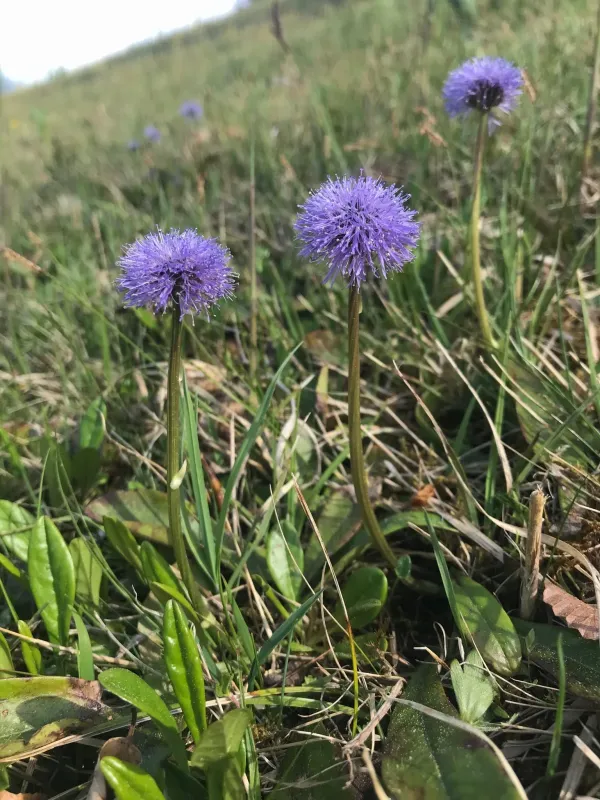
Botanically, it is characterized by a basal rosette of leather-like leaves and a naked scape that supports a dense, globose head of blue or lilac-colored flowers. The plant is prized for its tidy appearance and drought tolerance once established.
Maintenance is relatively low, requiring periodic removal of spent flower heads to encourage plant vigor. During the growing season, moderate irrigation is sufficient, provided that the soil is allowed to dry out between watering sessions.
Main diseases and pests
Globularia nudicaulis is primarily susceptible to fungal diseases such as root rot and stem rot, particularly when grown in heavy, waterlogged soils. Providing adequate aeration is the most effective preventative measure.
Slugs and snails represent the main pests, as they often feed on the foliage during wet spells. It is advisable to monitor the base of the plant during spring and early summer when new growth is most vulnerable.
In humid conditions, powdery mildew can occasionally affect the leaves. Ensuring the plants are spaced correctly and avoiding overhead watering helps to reduce the incidence of this fungal infection.
Proper sanitation in the garden, including the removal of dead plant material, is essential to minimize the risk of pests and diseases. Healthy plants grown in appropriate conditions rarely require intensive chemical treatments.
Cultural methods, such as using gravel mulch, help keep the crown of the plant dry, which significantly reduces the risk of disease. Always aim for a balanced environment to support the natural resilience of the species.