
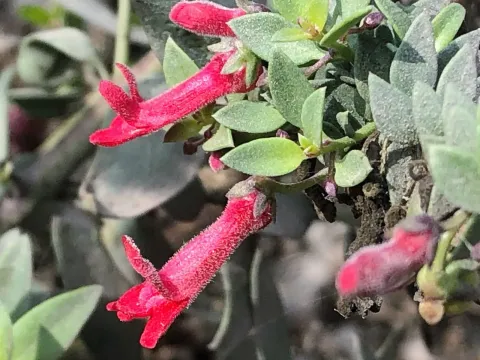
Galvezia
Galvezia
The sowing of Galvezia seeds is typically performed in late winter or early spring, approximately 8 to 10 weeks before the expected date of the last frost.
What the section contains

Galvezia
Seeds should be sown on the surface of a light, well-draining germination mix, as they require light to germinate effectively. Covering them lightly with vermiculite helps maintain humidity.
Temperature control is crucial during the early stages; keeping the trays in a warm environment at about 20 to 22 degrees Celsius ensures optimal sprouting rates.
Seedlings are pricked out into individual pots once the first true leaves have emerged, allowing them to develop a robust root system before transplantation.
Acclimatization, or hardening off, is essential for the young plants to adapt to outdoor conditions before they are moved permanently into the field or garden.
Galvezia thrives in full sun exposure, which is necessary for producing a high volume of flowers and maintaining the plant's structural integrity.
Soil drainage is the most critical factor for this species. It requires sandy or loamy, well-aerated soil; heavy clay should be amended to prevent waterlogging.
While the plant is relatively drought-tolerant once established, it requires consistent moisture during the initial growth phases to prevent stress.
Nutrient requirements are modest. A balanced, low-nitrogen fertilizer applied periodically during the growing season encourages blooming rather than excessive leaf development.
Proper spacing between plants is recommended to ensure adequate airflow, which is vital for preventing fungal diseases in damp or humid climates.
Root rot is the most common threat, usually caused by poor drainage or overwatering, which quickly compromises the plant's health.
Aphids are frequent pests that infest the tips of young shoots, causing curled leaves and stunted growth if not managed promptly.
Spider mites can become a significant issue during hot and dry summer months, requiring regular monitoring and effective miticide application.
Powdery mildew may develop if the plants are placed in areas with stagnant air, showing as a white powdery layer on the foliage.
Integrated pest management, including regular sanitation and the use of natural predators, is highly effective in maintaining the health of a Galvezia patch.