
Evergreen plantain
Plantago sempervirens
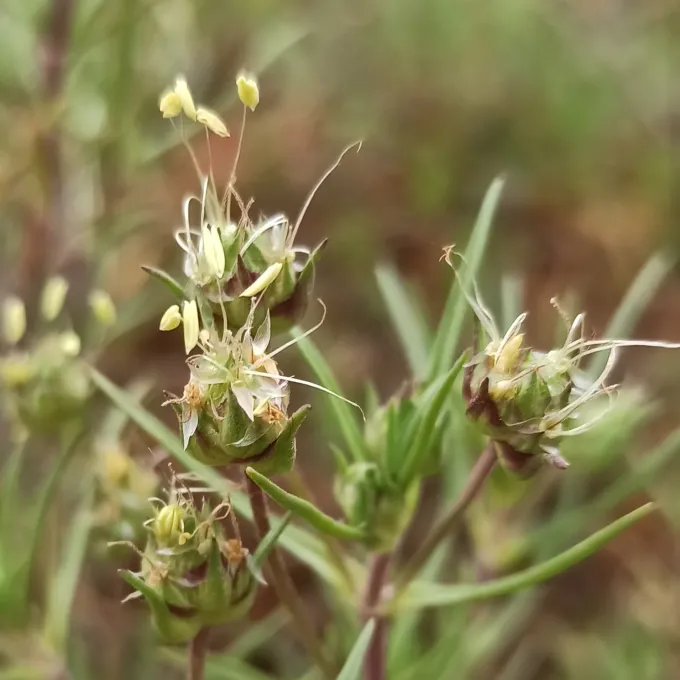
Description
Sowing dates
Sowing of evergreen plantain seeds is primarily carried out in the spring, once the soil warms up to a temperature of 10–12 degrees Celsius. The ideal timing for uniform germination is late April or early May, which allows the young plants to establish their roots before the onset of summer heat.
Dormant seeding in October is also an option, which facilitates natural stratification of the seeds. With this approach, seedlings emerge early in the spring, utilizing the moisture accumulated in the soil, which is crucial for the development of the root system of this subshrub.
The sowing depth should not exceed 0.5–1 centimeter, as the seeds are light-sensitive and may fail to germinate if covered too deeply. Sowing is typically done in rows with a spacing of 45 to 60 centimeters to ensure adequate maintenance and weed management.
The seeding rate is calculated based on seed quality and soil fertility, generally amounting to about 2–3 kilograms per hectare. The use of high-quality seed material ensures the density of plant stands required for the formation of a full-fledged commercial yield.
After sowing, it is recommended to lightly roll the surface of the plot to improve seed-to-soil contact. In arid conditions, post-sowing irrigation significantly increases germination rates and accelerates the initial growth stages of the crop.
Growing requirements
Evergreen plantain is a typical member of the Plantaginaceae family, distinguished from its relatives by its woody stem base. This perennial plant prefers sunny, open areas with good light exposure, as its stems may become spindly in the shade, leading to a decrease in active compound concentration.
The crop has moderate soil requirements, though it thrives best on light, sandy, or loamy soils with a neutral pH. A critical factor is good drainage, as water stagnation in the root zone can lead to the rotting of the evergreen stems.
The plant possesses high drought resistance, attributed to the unique structure of its leaves and a well-developed root system. Nevertheless, to obtain high commercial biomass during the active growth period in the first half of summer, maintaining moderate soil moisture levels is necessary.
In its natural habitat, evergreen plantain is found on rocky slopes and in steppe zones of Southern Europe, which determines its adaptation to temperature fluctuations. The crop is quite winter-hardy, but in regions with harsh, snowless winters, minimal protection may be required.
Agronomic practices include regular weeding in the first year of vegetation, as the plant is sensitive to competition from weeds during the early stages of development. In subsequent years, the robust clumping nature of the plantain allows it to suppress most annual weeds on its own.
Yield
The primary commercial use of evergreen plantain is the harvesting of green biomass for the pharmaceutical industry. The yield of dry raw material varies depending on the age of the plantation and the intensity of agronomic practices, averaging 1.5–2.5 tons per hectare.
The harvest is carried out during the mass flowering phase, when the concentration of biologically active substances—such as flavonoids, mucilage, and glycosides—reaches its peak. Within one season, with proper care, up to two cuttings of green biomass are possible.
After cutting, the plants have the ability to actively regrow, allowing the plantation to remain productive for 4–6 years. It is important not to exhaust the plants, leaving a portion of the leaf rosette to facilitate the recovery of the photosynthetic surface.
The application of mineral fertilizers, especially nitrogen top-dressing immediately after the first cut, stimulates the development of secondary shoots and significantly increases the overall productivity of the plot. Maintaining a balance of nutrients is essential for preserving the quality of the plant material.
Post-harvest processing requires rapid drying in shaded, well-ventilated rooms or in driers at temperatures not exceeding 45 degrees Celsius. This allows the natural color of the leaves to be preserved and prevents the degradation of healing components under ultraviolet light.
Main diseases and pests
Typical diseases for this crop include fungal infections, such as powdery mildew and various types of leaf spot, which develop under high humidity conditions. To prevent these, it is necessary to avoid overcrowding of the plantings and ensure excellent aeration within the field.
Among pests, the greatest threat is posed by leaf-eating insects, particularly cutworm caterpillars and the plantain gall midge. They can cause significant damage to the quality of the raw material, lowering its market value and the volume of finished product output.
In case of massive pest outbreaks, biological preparations approved for use on medicinal crops are employed to maintain the ecological purity of the harvest. Chemical insecticides are used extremely rarely and only in strict compliance with safety regulations.
Root rot may occur if crop rotation rules are violated, such as when plantain is grown in the same spot for more than six consecutive years. Therefore, it is recommended to return the crop to the same field no sooner than 4–5 years after the previous cycle.
Monitoring the state of the plantations in the spring allows for the timely detection of infection centers and their containment through the removal of affected plants or local treatments. A systematic approach to protection ensures the longevity and stable yield of the plantation.
Harvesting
Harvesting of evergreen plantain is carried out mechanically using specialized mowers adjusted to a cutting height of 5–7 centimeters above the soil surface. This ensures the preservation of renewal buds and the long-term exploitation of the crops.
The optimal time for daily harvesting is the morning, after the dew has evaporated but before the peak of the midday heat. Dry weather during harvest significantly facilitates subsequent drying and improves the commercial appearance of the medicinal raw material.
The cut biomass should not be allowed to heat up, so it must be promptly transported to drying or primary processing facilities. Prolonged storage of fresh-cut grass in heaps leads to spoilage and a loss of its pharmacological activity.
Transportation is performed in specialized containers that provide sufficient air circulation and prevent mechanical damage to the leaves. This minimizes mass loss and preserves the integrity of the leaf blades.
Final cleaning of the raw material from impurities, dust, and soil residues is conducted after drying using vibration separators. The resulting product is packed in bags or bales, which are stored in warehouses with controlled humidity levels to prevent moisture absorption.