
Globularia
Globularia hybrids
Description
Sowing dates
Propagation of Globularia hybrids is typically achieved through seed sowing or plant division. Seeds require a cold stratification period of several weeks to break dormancy and ensure uniform germination in early spring.
When sowing in containers, use a gritty, well-draining substrate. Press the seeds onto the surface as they require light to germinate and cover them with a very thin layer of fine sand or grit.
Vegetative propagation via division is recommended for established clumps in late summer. Carefully tease the roots apart and replant immediately into prepared soil, ensuring that the roots do not dry out during the process.
Young plants need consistent moisture for the first season to establish their root systems. Once established, these plants become quite resilient and display significant drought tolerance.
For a naturalistic look in rock gardens, planting in small groups of 3 to 5 plants per square meter is advisable to allow the cushions to merge over time, creating a uniform, lush appearance.
Growing requirements
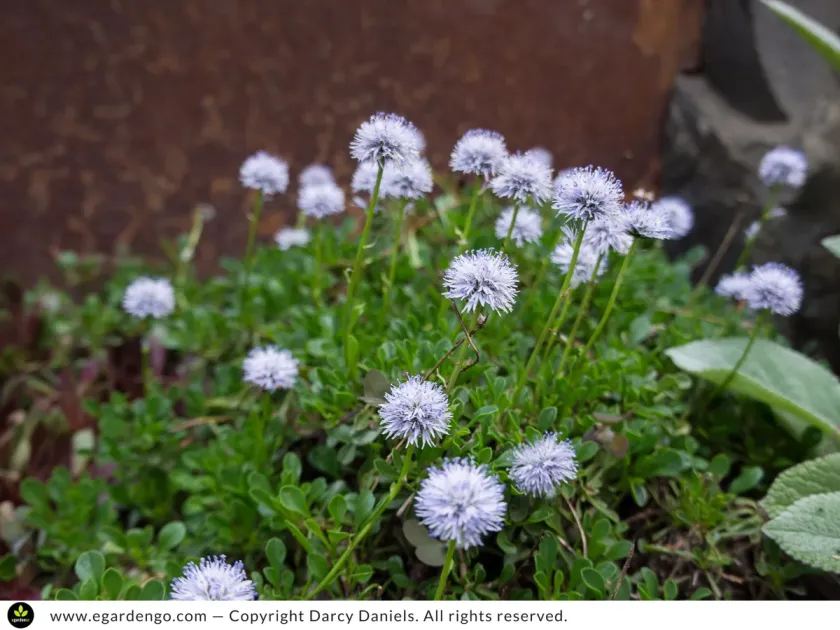
Globularia hybrids, members of the Plantaginaceae family, are classic rock garden plants native to the mountainous regions of Southern Europe. They are prized for their unique, globe-shaped flower heads.
These plants demand excellent drainage and thrive in alkaline or neutral soil conditions. Incorporating limestone chips into the planting site mimics their natural habitat and helps maintain the required soil pH.
A location with full sun is essential for the healthy growth of Globularia. In shaded environments, the plants tend to lose their compact, mat-forming habit and become sparse, which significantly reduces their ornamental value.
The culture is winter-hardy, but it is susceptible to winter dampness. Planting on a slight slope or in a raised bed is an effective strategy to ensure excess water drains away from the root collar.
As for maintenance, minimal fertilizing is required. Over-feeding with nitrogen-rich products should be avoided as it leads to weak growth, making the plants more susceptible to winter frost damage and fungal attacks.
Main diseases and pests
Root rot caused by stagnant water is the primary threat to Globularia hybrids. The risk is particularly high during mild, wet winters, which can lead to decay if the soil does not drain rapidly.
Slugs and snails are common pests that feed on the foliage and flower stalks, especially during damp spring weather. Implementing integrated pest management strategies, such as physical barriers, helps protect the plants.
Powdery mildew can occasionally affect plants in humid conditions with poor air circulation. To prevent this, ensure that individual specimens are not overcrowded and keep the foliage as dry as possible.
Root-damaging insects, such as wireworms, can occasionally be problematic if the plants are situated in areas where turf or weeds were previously growing. Thorough soil preparation is key to mitigation.
Regular spring cleaning involves removing dead leaves and debris from the cushion, which improves airflow and reduces the risk of harboring overwintering pests or fungal pathogens.