
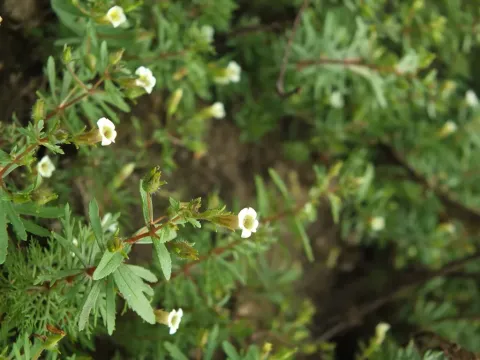
Limnophila
Limnophila
Limnophila is a genus of herbaceous plants belonging to the Plantaginaceae family. These plants are native to tropical and subtropical regions of Asia, Africa, and Australia, where they predominantly inhabit wetlands, riverbanks, and marshy ecosystems.
What the section contains
 Limnophila aquatica
Limnophila aquatica
Limnophila aquatica
 Limnophila aromatica
Limnophila balsamea
Limnophila balsamea
Limnophila aromatica
Limnophila aromatica
Limnophila balsamea
Limnophila balsamea
 Limnophila ceratophylloides
Limnophila ceratophylloides
Limnophila ceratophylloides
 Limnophila chinensis
Limnophila dasyantha
Limnophila dasyantha
Limnophila chinensis
Limnophila chinensis
Limnophila dasyantha
Limnophila dasyantha
 Limnophila erecta
Limnophila erecta
Limnophila erecta
 Limnophila geoffrayi
Limnophila geoffrayi
Limnophila geoffrayi
 Limnophila heterophylla
Limnophila heterophylla
Limnophila heterophylla
 Limnophila hippuridoides
Limnophila hippuridoides
Limnophila hippuridoides
 Limnophila indica
Limnophila indica
Limnophila indica
 Limnophila laotica
Limnophila ludoviciana
Limnophila ludoviciana
Limnophila laotica
Limnophila laotica
Limnophila ludoviciana
Limnophila ludoviciana
 Limnophila micrantha
Limnophila micrantha
Limnophila micrantha
 Limnophila repens
Limnophila repens
Limnophila repens
 Limnophila rugosa
Limnophila villosa
Limnophila villosa
Limnophila rugosa
Limnophila rugosa
Limnophila villosa
Limnophila villosa
Limnophila
Successful cultivation requires a tropical environment with temperatures consistently maintained between 22°C and 28°C. Being a light-demanding genus, Limnophila requires strong and consistent lighting (10–12 hours daily) to maintain its characteristic morphology and vibrant coloration.
The substrate must be nutrient-rich, slightly acidic to neutral in pH, and well-aerated to support root health. In controlled aquatic environments, the use of specialized aquarium substrates or enriched gravel is highly recommended to provide the necessary macronutrients and minerals.
Botanically, the plant is characterized by its whorled, pinnatifid leaves, which vary significantly in structure between submersed and emersed growth forms. This phenotypic plasticity allows the plant to thrive in diverse water levels and environmental conditions.
Limnophila is primarily utilized in ornamental horticulture, specifically in aquascaping and the design of public and private water gardens. Due to its rapid growth rate, it serves as an excellent biological agent for nutrient cycling, helping to maintain stable water quality.
The most common health issues for Limnophila involve fungal infections and tissue decay, often triggered by unstable water parameters or the buildup of organic waste in the substrate.
Pests such as certain species of aquatic snails and insect larvae can cause significant damage to the plant's delicate stems and foliage, requiring careful monitoring of the tank's ecosystem.
Inadequate light intensity remains a major physiological threat, leading to stem elongation (stretching), loss of leaf density, and a significant reduction in overall plant vigor.
A deficiency in dissolved CO2 or essential micronutrients can compromise the plant's immune system, making it more susceptible to opportunistic bacterial pathogens.
Effective management includes maintaining optimal chemical parameters, ensuring proper water flow, and removing affected stems to prevent the spread of localized decay.