
Limnophila micrantha
Limnophila micrantha
Description
Sowing dates
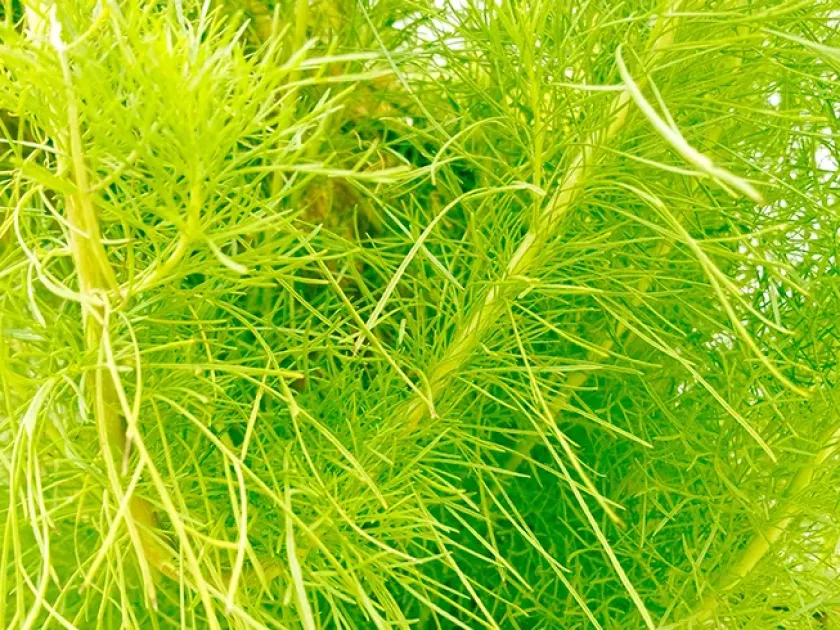
Limnophila micrantha is a member of the Plantaginaceae family, widely recognized for its delicate, fern-like appearance and adaptability to aquatic environments.
Propagation is primarily achieved through stem cuttings; healthy stems of 5-10 cm are clipped and replanted directly into a nutrient-rich substrate.
For the best results, cuttings should be planted in small clusters, ensuring enough space between groups to prevent shading of the lower foliage.
The ideal time for propagation is during the active growth season, when the plant has sufficient energy to develop new root systems from the nodes.
Care must be taken when inserting stems into the substrate to avoid crushing the delicate tissue, which could lead to rot and plant failure.
Growing requirements
This species requires high-intensity lighting for at least 10 to 12 hours daily to maintain its compact growth habit and vivid leaf coloration.
Water temperature should be strictly maintained between 22 and 28 degrees Celsius to ensure optimal physiological activity and metabolic rate.
The plant thrives best in soft to medium-hard water with a slightly acidic to neutral pH level, mirroring its natural swampy habitats.
Consistent CO2 injection and the application of liquid fertilizers containing iron and essential micronutrients are vital for preventing stunted growth.
A fine-grained, nutrient-dense substrate is highly recommended to support the extensive root network and provide essential minerals to the plant.
Yield
Yield in an aquarium setting is measured by the rapid accumulation of biomass and the ability of the plant to form dense, lush decorative thickets.
By regularly trimming the tops, cultivators can stimulate lateral branching, which increases the density and health of the entire plant colony.
The primary economic use of this plant is in the aquarium hobby industry, where it is valued for its aesthetic appeal and oxygenating properties.
Efficient growth cycles allow for frequent harvesting of healthy, disease-free cuttings, which are then sold as premium aquatic starter plants.
Profitability is largely dependent on maintaining a controlled environment that minimizes algae outbreaks and promotes steady, healthy vegetative development.
Main diseases and pests
Algae infestation is the most significant threat to Limnophila micrantha, as filamentous algae can quickly smother the delicate leaves and block light.
Micronutrient deficiency, especially a lack of bioavailable iron, causes chlorosis, manifesting as yellowing and thinning of the leaf structures.
Sudden fluctuations in water chemistry or temperature can trigger leaf drop and stem disintegration, severely impacting the plant's structural integrity.
Certain aquarium pests, including specific species of gastropods, may graze on the soft tissues, resulting in holes and physical damage to the leaves.
Poor water circulation within the aquarium can lead to the accumulation of organic waste, facilitating the growth of pathogens that rot the root system.